
Isabelle Doyen, Perfumes and Literature
Isabelle Doyen worked with Annick Goutal for many years to create the perfumes for the eponymous brand. After the brand was acquired by the Interparfums group in March 2025, the perfumer created Voyages Imaginaire with Camille Goutal. We met her for our series on perfumers and literature. Valérie Donchez
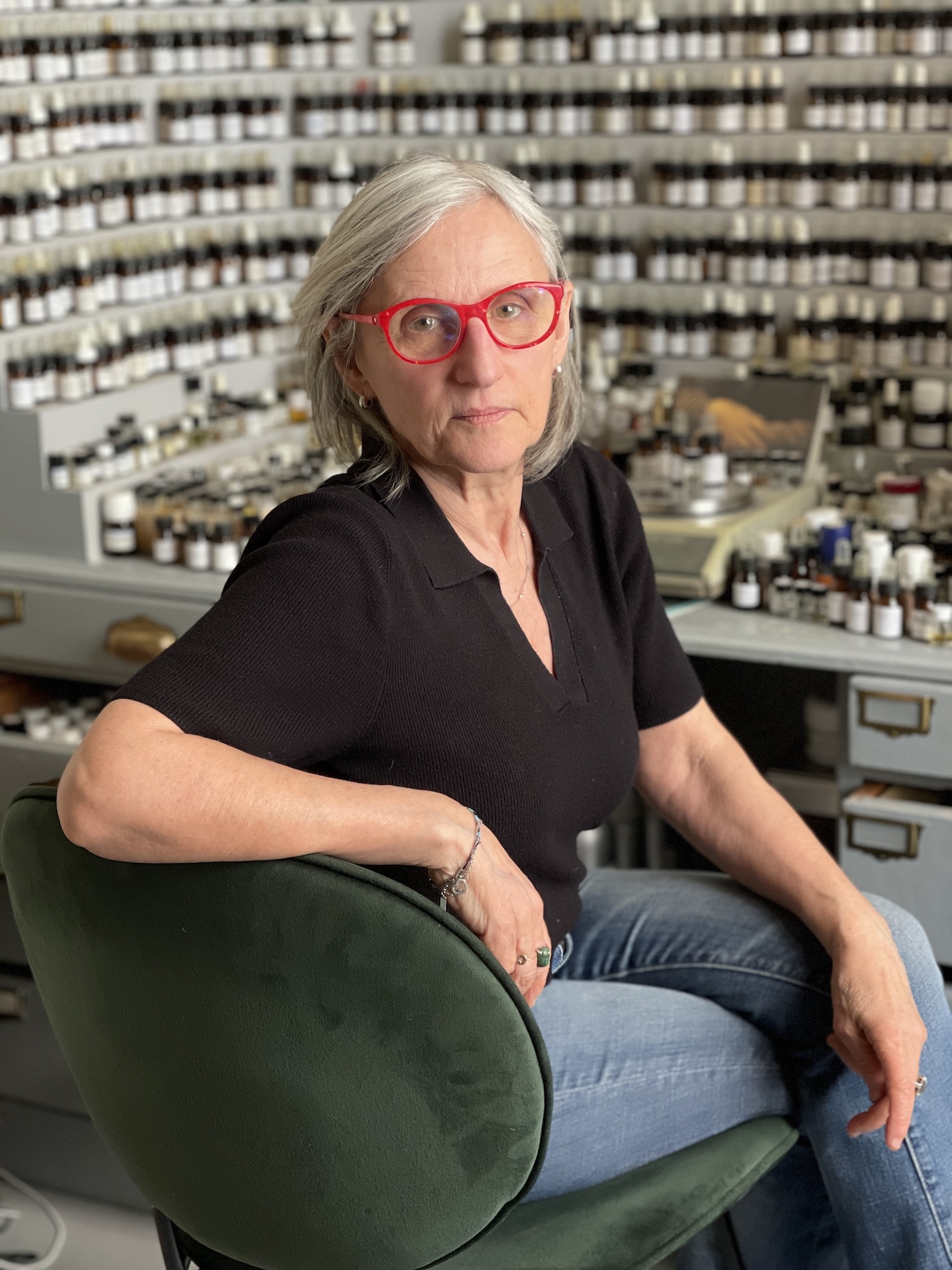
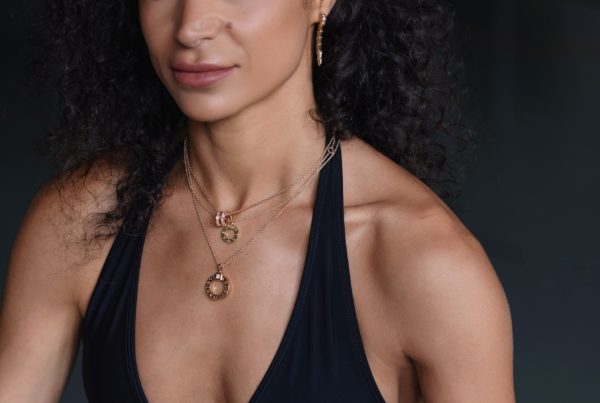
Perfumer Isabelle Doyen, who was Annick Goutal’s long-time collaborator and created her perfumes before the brand was acquired in March 2025. ©Annick Goutal.
In the world of French perfumery, one perfumer is as renowned for her unconventional creations as she is for her work as a professor at ISIPCA. That person is Isabelle Doyen. She has trained many perfumers, including Francis Kurkdjian and Mathilde Laurent, who have become stars in their own right.
At the age of 26, Isabelle Doyen met Annick Goutal and became her accomplice, creating the brand’s fragrances, a company acquired in March 2025 by the Interparfums group. Following this acquisition, she founded the beautiful Voyages Imaginaires brand with Camille Goutal, herself a perfumer and none other than Annick Goutal’s daughter.
Isabelle Doyen likes to describe scents with words. We spoke with the perfumer for our series on perfumers and literature.
INTERVIEW
Can you tell us how literature inspires you when you create?
Isabelle Doyen: When people talk to me about literature, I immediately think of Mandragore, the fragrance I created for Annick Goutal. It was inspired by the world of Harry Potter. It was Camille Goutal who introduced me to this magical universe. I have known her since she was a child, but when it came to discovering Harry Potter, she was ‘my elder’. She was the one who reassured me, telling me, ‘It’s not so bad that Dumbledore dies. You’ll see.’
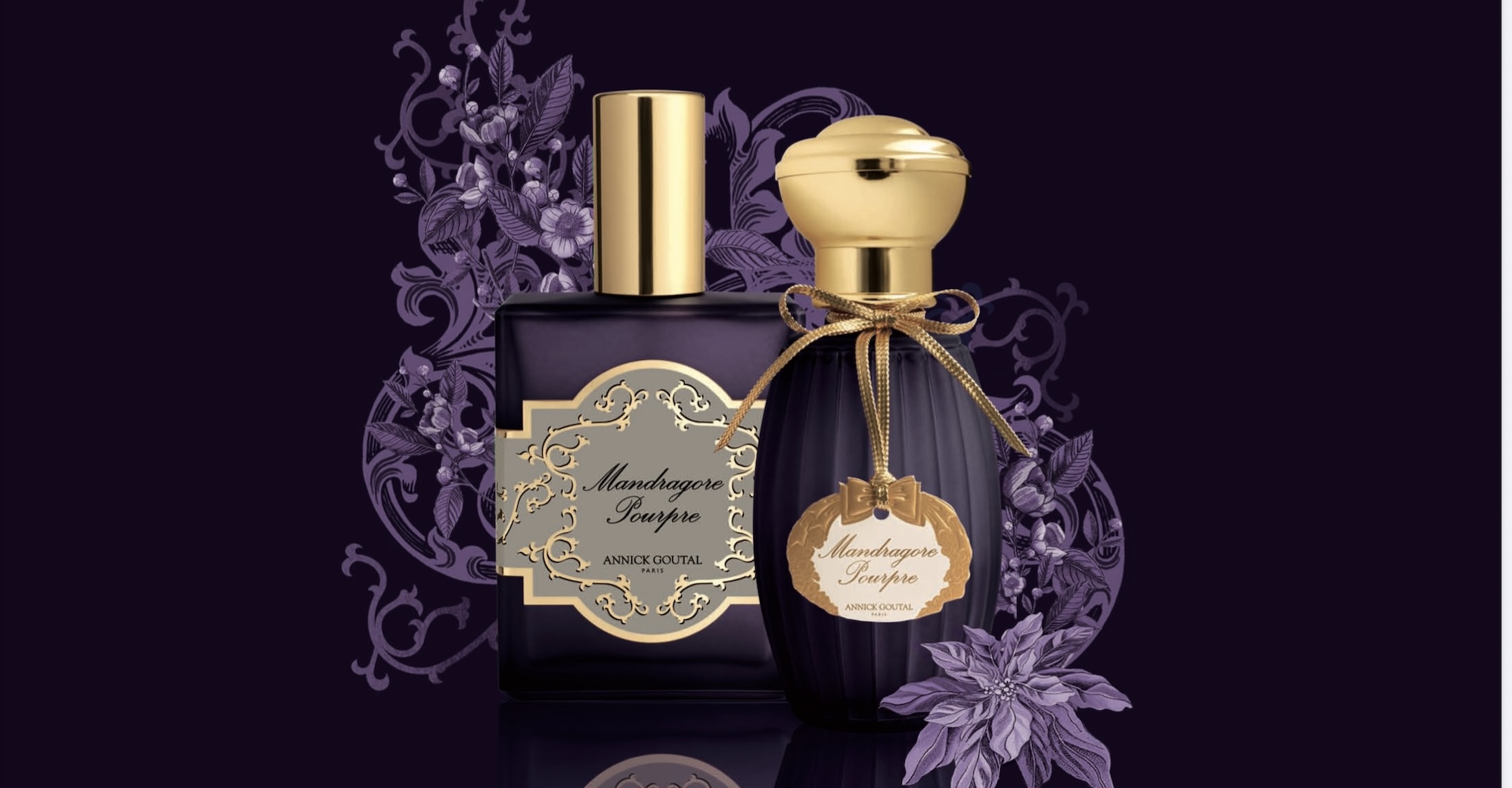
The Mandragore Pourpre fragrance is inspired by the world of Harry Potter
In England, when this book came out, a national psychological support unit was set up for children and teenagers who couldn’t get over Dumbledore’s death. How did you work on Mandragore based on Harry Potter?
Professor Sprout’s lesson on Mandrakes inspired me a lot, especially since my children watched The Chamber of Secrets over and over again. Suddenly, I thought, ‘That’s a great name for a perfume,’ and I started working on the idea of a fragrance featuring Mandrake.
How did you translate that into fragrance notes?
The word ‘Mandragore’ in French is, for me, very beautiful, both written and pronounced. It is mysterious, elegant, a little dark, a little obscure. This guided me in choosing the ingredients and creating my formula around narcotic notes, aniseed, bergamot, pepper, not to mention iris…
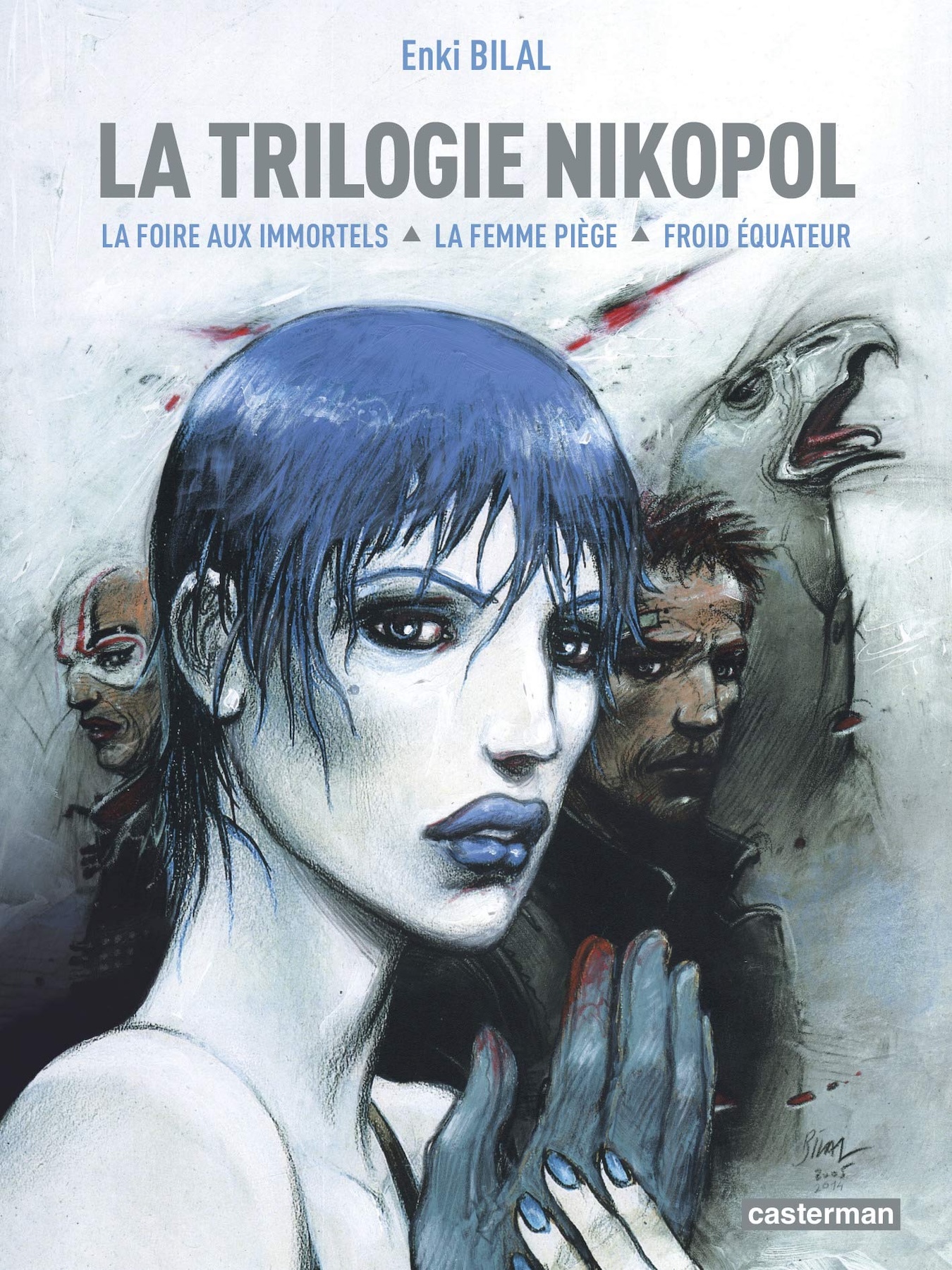
Enki Bilal’s La Foire aux Immortels inspired Isabelle Doyen to create the fragrance L’Eau des Immortels for the Voyages Imaginaires brand, which Isabelle Doyen co-created with Camille Goutal, daughter of Annick Goutal
What was the last book that inspired you?
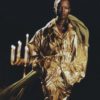
La Foire aux immortels, a comic book by Enki Bilal. It has a gothic atmosphere, a little dark, futuristic, a little timeless too. This comic book greatly inspired me to create L’Eau des immortels for Voyages Imaginaires. Bilal based his hero on the Swiss actor Bruno Ganz, whom I find magnificent, so elegant and timeless. This comic book has always had a profound effect on me, and I thought it would provide a great atmosphere for a fragrance. Even the name is magnificent.
So that’s how the famous L’Eau des Immortels, created with Camille Goutal, came about?
Yes, I came up with L’Eau des Immortels inspired by the dark side of the comic book and the fact that Bruno Ganz also starred in Wim Wenders’ Wings of Desire. He played the part of an angel in that film.
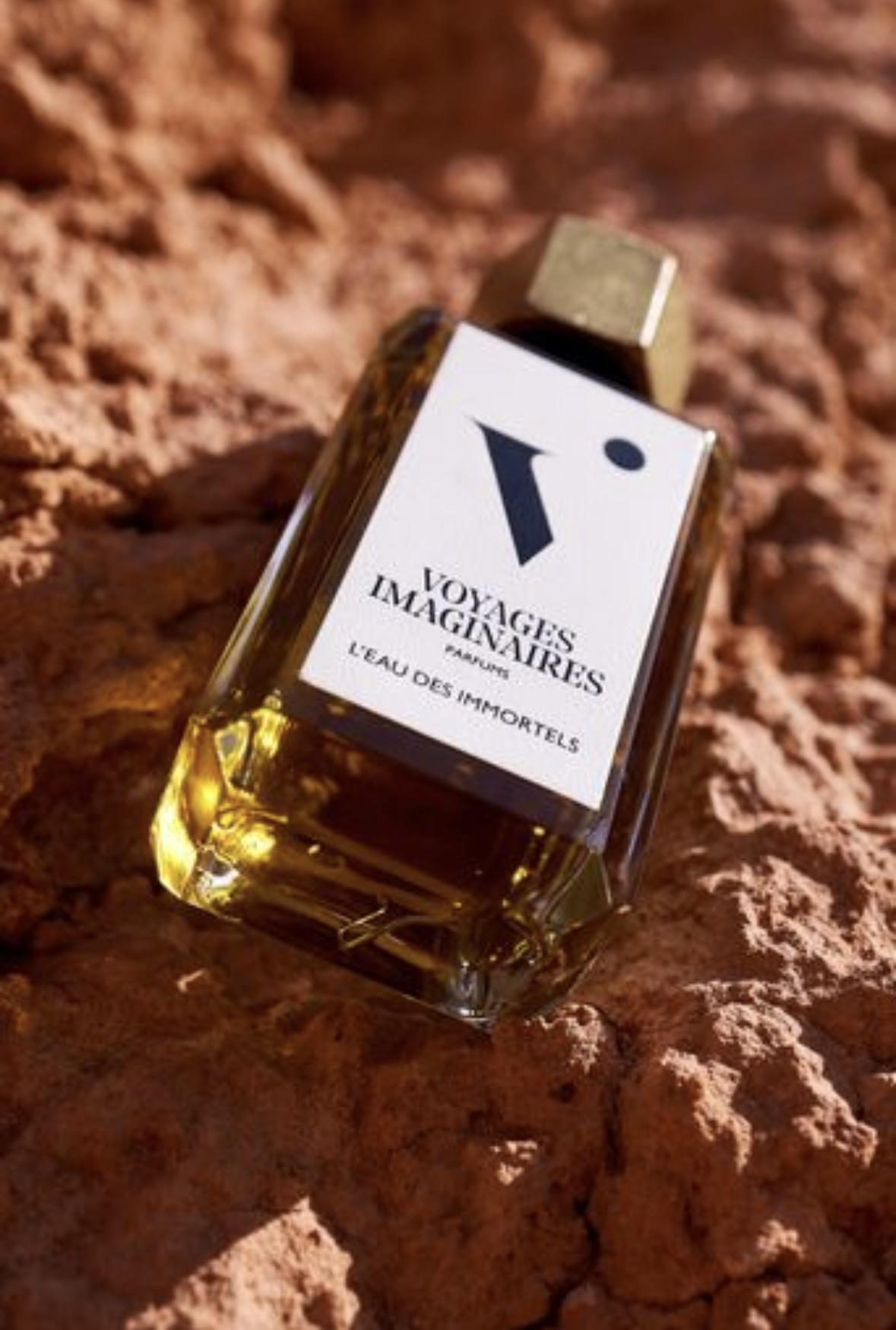
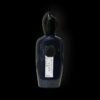
L’Eau des Immortels ©Voyages Imaginaires
The film tells the story of two angels in Berlin who listen to the thoughts of the inhabitants. The one played by Bruno Ganz falls in love with a mortal and chooses to trade his wings for an earthly life.
Bruno Ganz, immortals, angels… I put these ingredients and inspirations into the pot with a dash of Nick Cave, who also appears in Wings of Desire and exudes something dark and mysterious. We see him giving a concert. L’eau des immortels was thus born between Wenders and Bilal.
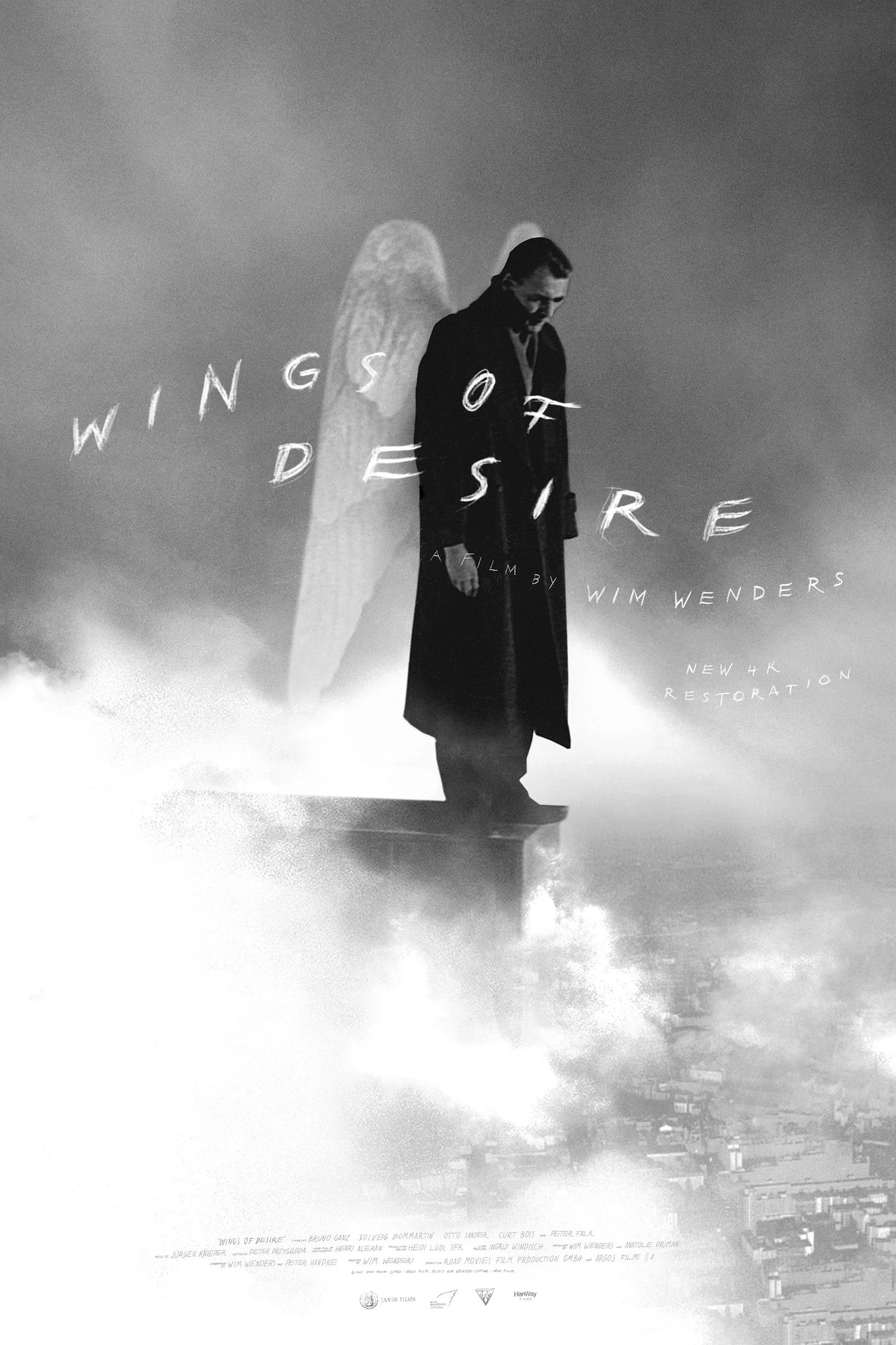
The poster for Wim Wenders’ film Wings of Desire, which also inspired L’Eau des Immortels
For you, is a perfumer a writer of scent as claimed by Jean-Claude Ellena?
Of course, because a perfumer writes a story with his ingredients.
Alexandra Carlin, interviewed a few months ago, talked about the particular way in which you classify ingredients. She said that you teach your students to write a reverse directory. Can you tell us about that?
At ISIPCA, I was responsible for the students’ olfactory training. My role was to introduce them to raw materials and help them smell them, then memorise them so that they could have all these materials neatly organised in little drawers in their heads for when they wanted to create a formula. That’s the basis of our profession.
The best way to memorise a material is to describe the smell we have under our noses. That way, we can identify it and it will be easier to memorise. To do this, we first write a normal directory. If I let you smell rosemary essence, in your directory, under the letter R, you will write the word ‘rosemary’ and accompany it with your description of the essence of rosemary: ‘aromatic’, “herbaceous”, ‘slightly woody’, ‘slightly bloody’. It is important to try as hard as possible to describe the scent in words.
At the same time, you will create another directory, which I call ‘the reverse directory’. In this directory, you will create a section for ‘bloody’, a section for “herbaceous” and a section for ‘aromatic’. And in each of these sections, you will place the rosemary essence so that you can find it when you are looking for materials that inspire you with grassy, aromatic notes… It is a great tool for your future formulas, with sections that are entirely personal to you.
This reverse directory seems to be a valuable tool.
Indeed, in perfumery, we don’t have many tools to pass on. We don’t have a magic formula. Perfumery, unlike mathematics, is intangible. We learn by weighing up other people’s formulas, by understanding how one perfumer has created a rose, how another has created a different one, and we draw inspiration from that.
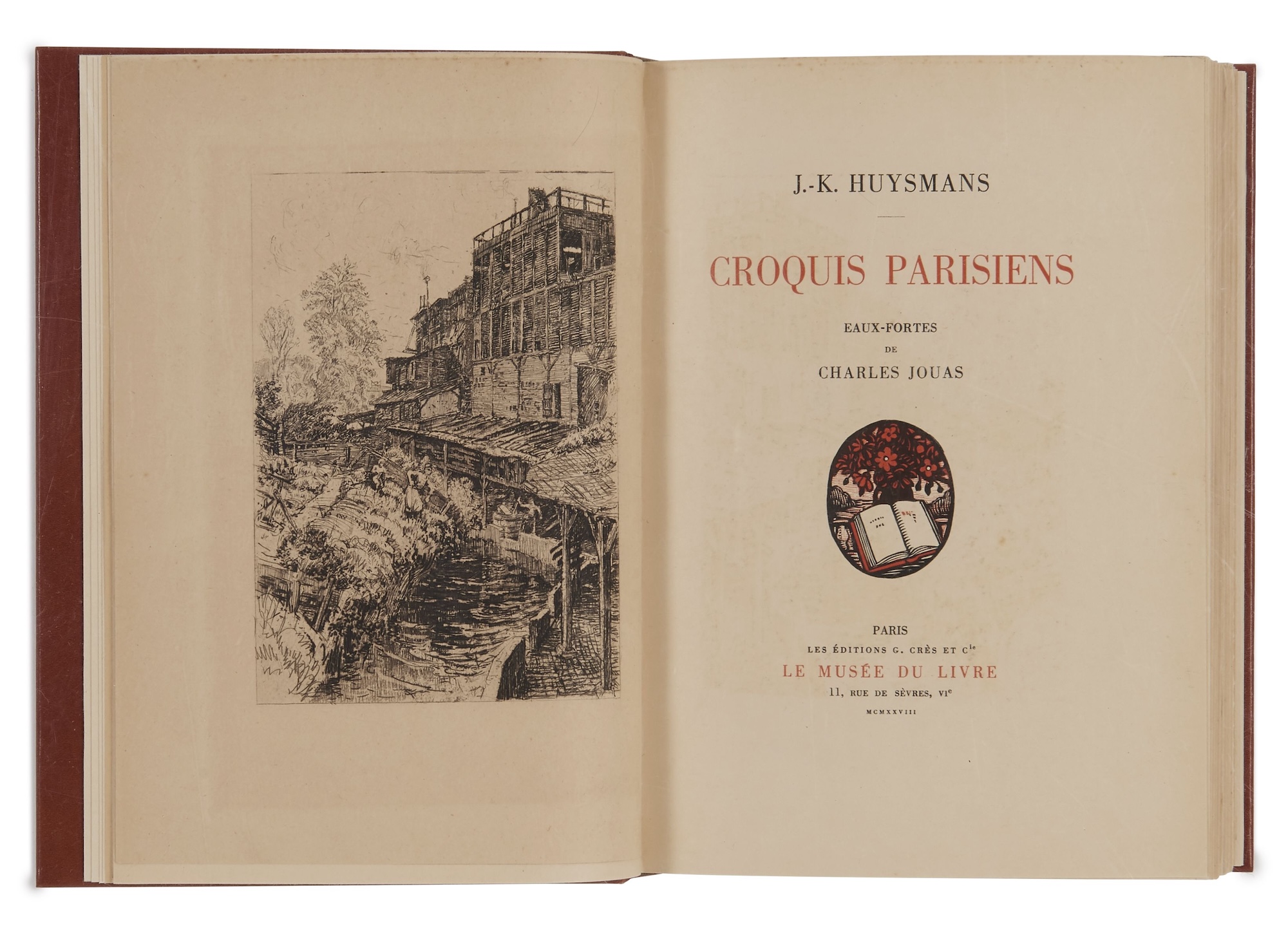
Joris-Karl Huysmans Croquis parisiens
Is there a writer who, in your opinion, is particularly skilled at describing smells?
Joris-Karl Huysmans is, for me, extremely representative. He wrote a short booklet entitled ‘Croquis parisiens’ (Parisian Sketches). At one point, he describes the smells in a brothel, with scents of musk and I don’t remember what else… It’s simply magnificent.
If you could put a writer or a character in a bottle, who would it be?
I think of Borges because I find his short stories incredible. When I read Borges’ short stories, I often feel like I’m in a kaleidoscope, or something that blurs my bearings. I’ve already been inspired by his writings in a perfume.
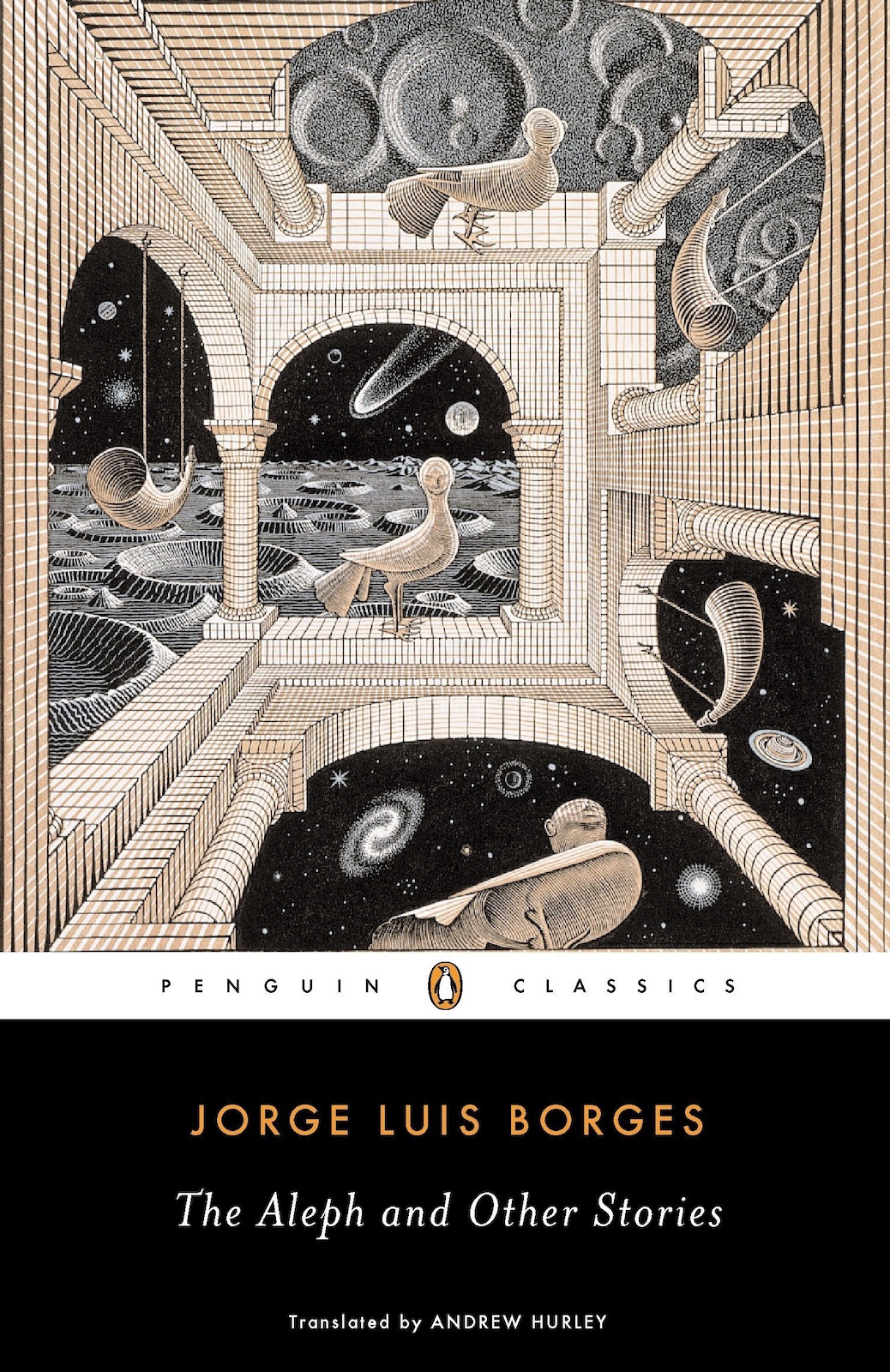
Luis Borges’ The Aleph inspired the fragrance L’Antimatière
Which one?
I created a fragrance called Antimatière for Les Nez. It was inspired by a short story by Borges called The Aleph. The Aleph is a point in the universe that brings together the entire universe. Borges mentions it in his short story, which also talks about love and travel, about a man who decides to make a new start. I wanted to create a fragrance that brings together all the scents of the world.
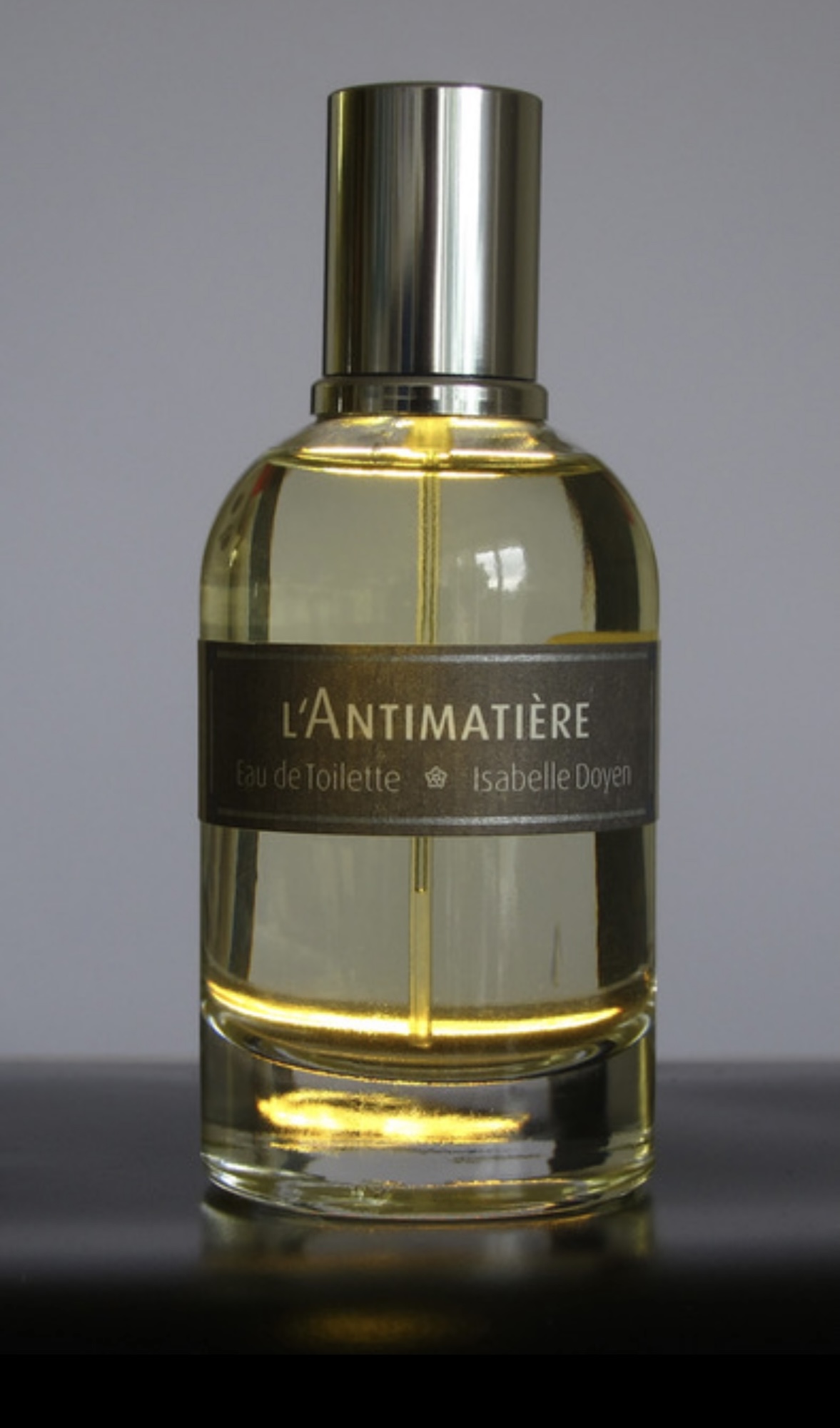
L’Antimatière ©Isabelle Doyen
How did you go about creating it?
I worked on the fragrance like a painter works with white. Just as white brings together all the colours of the solar spectrum, this fragrance was intended to bring together all the scents of the universe and, in my view, should smell of ‘almost nothing’, of antimatter. To achieve this, I used tones of ambergris and musk.
For a fragrance that ‘smells almost nothing’, it lasts a very long time and is quite fascinating.
That’s true. I created another fragrance for Les Nez, also inspired by a great author, Rainer Maria Rilke. This fragrance is called The Unicorn Spell. I built it around a very green note, in reference to Rilke’s The Unicorn. They fed it, not with corn, but only with the possibility of being. I chose this sentence from Rilke as the starting point for this very special fragrance. I truly believe that the great writers of past centuries, like contemporary authors, will never cease to inspire me.
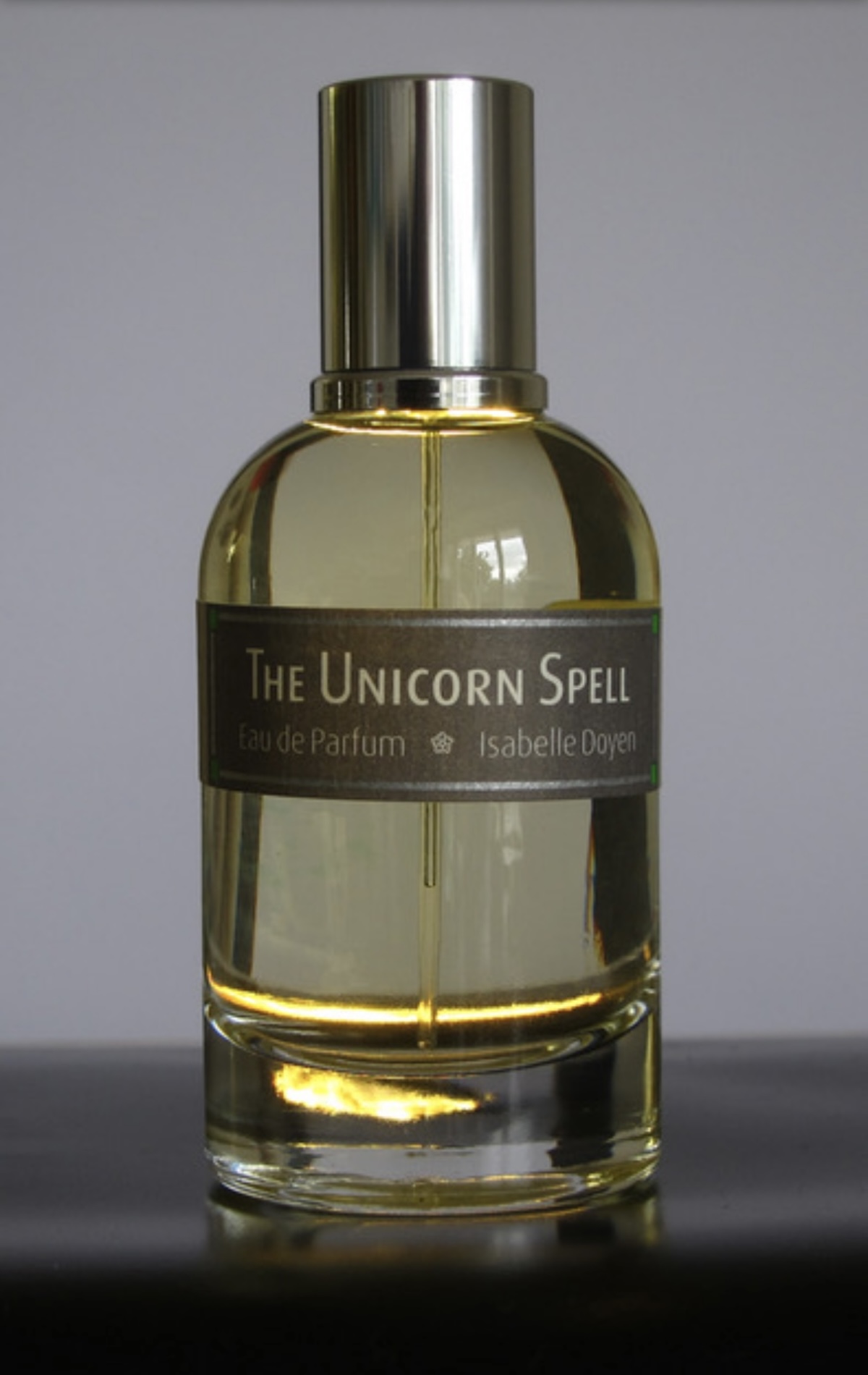
The Unicorn Spell ©Isabelle Doyen