
How François Nars changed the face of make-up
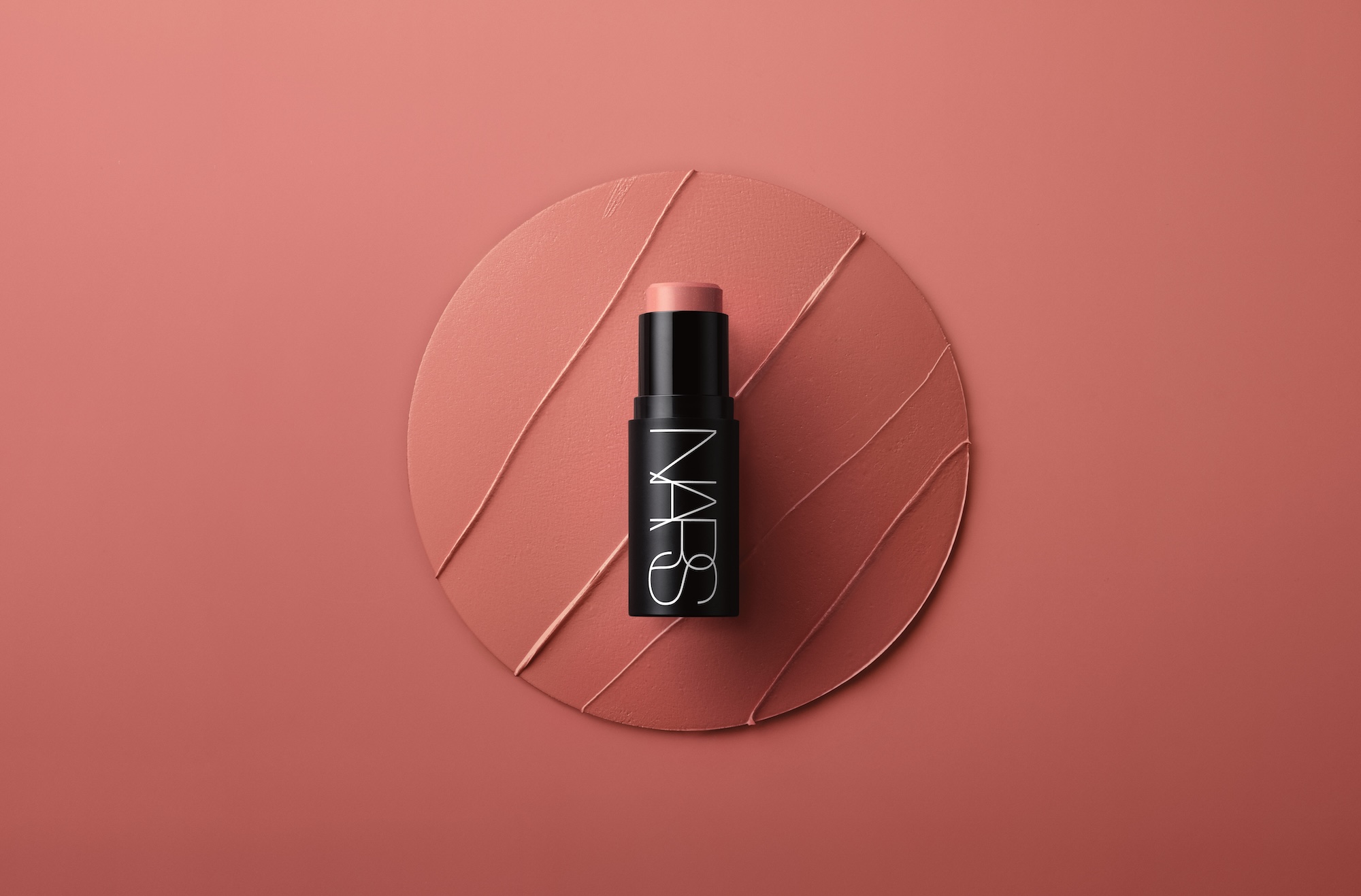
Long before makeup tutorials appeared on social media, there was Le Multiple. A stick designed by François Nars to apply makeup to the entire face with a single product. With this iconic item, which he conceived during a photo shoot for Harper’s Bazaar magazine in 1996, he invented intuitive, rule-free makeup. To mark the relaunch of this iconic stick, we spoke with the makeup artist, as he looks back at the moment when this idea was born thirty years ago and on his entire career. Isabelle Cerboneschi
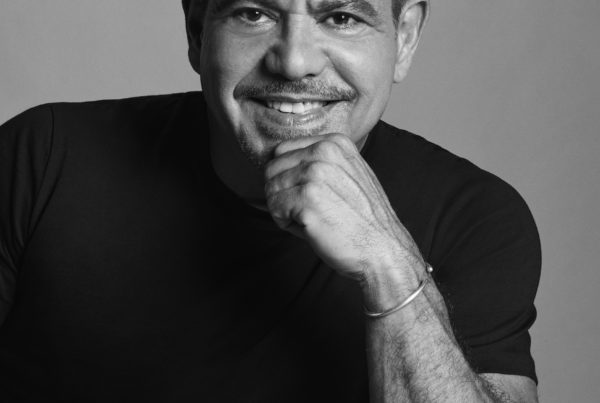
François Nars Courtesy: NARS Cosmetics
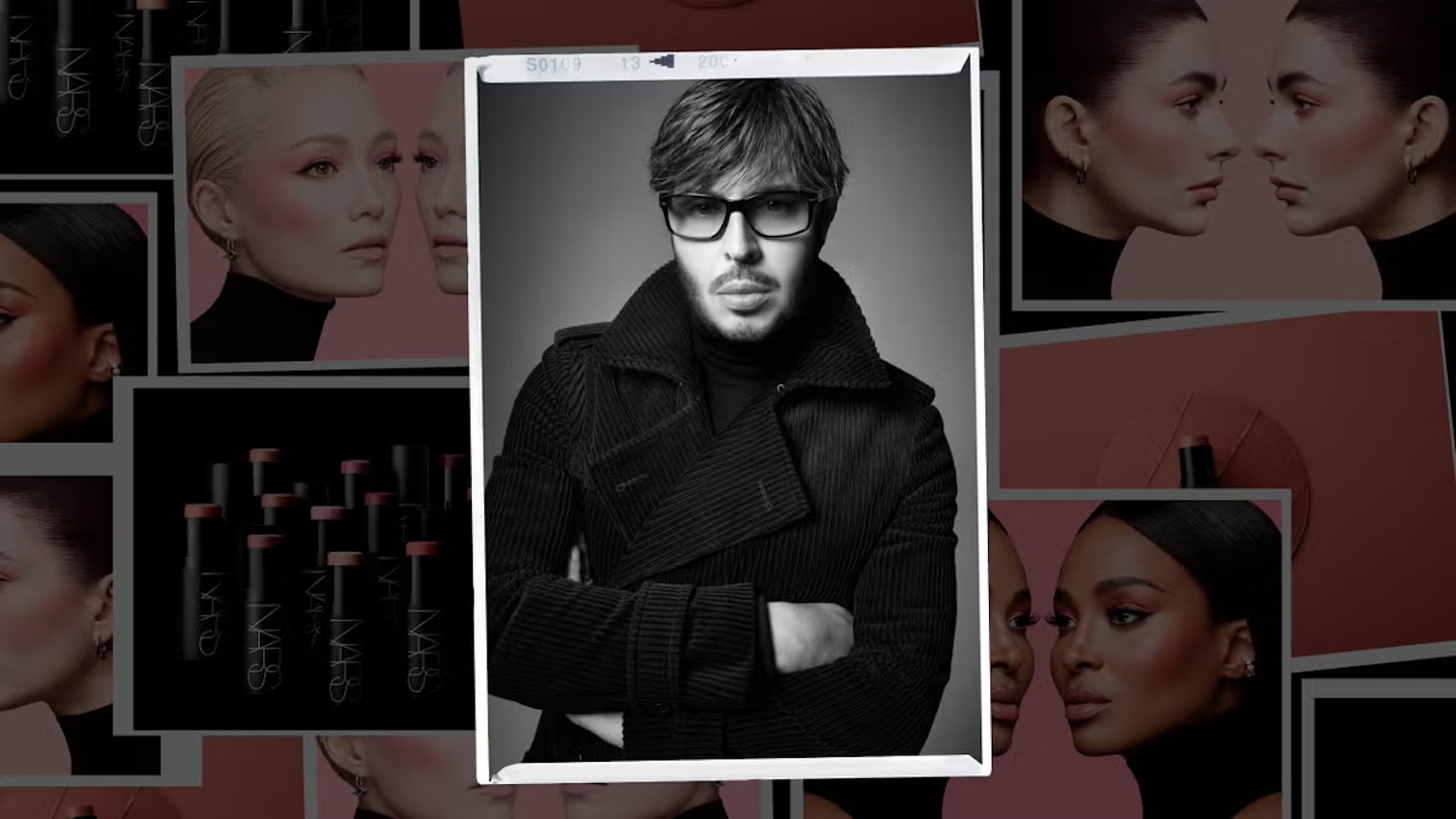
Visionary make-up artist, photographer, entrepreneur: François Nars belongs to that rare generation of artists who have permanently changed the world of beauty.
Born in Tarbes, France, and trained to have a keen eye for image and detail, he first made a name for himself in the 1990s as one of the most sought-after makeup artists in international fashion, collaborating with leading magazines and photographers.
In 1994, he founded his own brand, NARS Cosmetics, with a simple yet radical idea: to liberate make-up from its conventions and turn it into a bold tool for personal expression. With his cult shades bearing daring names, his provocative campaigns and his instantly recognisable visual identity, he has enjoyed phenomenal global success.
To this day, François Nars remains a distinctive figure, guided by instinct, an eye for detail and absolute loyalty to his vision. In this interview, he looks back on the origins of The Multiple, a new version of which he launched 30 years after its creation. He also discusses his journey from Tarbes to New York via his island of Motu Tane, his relationship with creation, image and beauty, and what really matters.
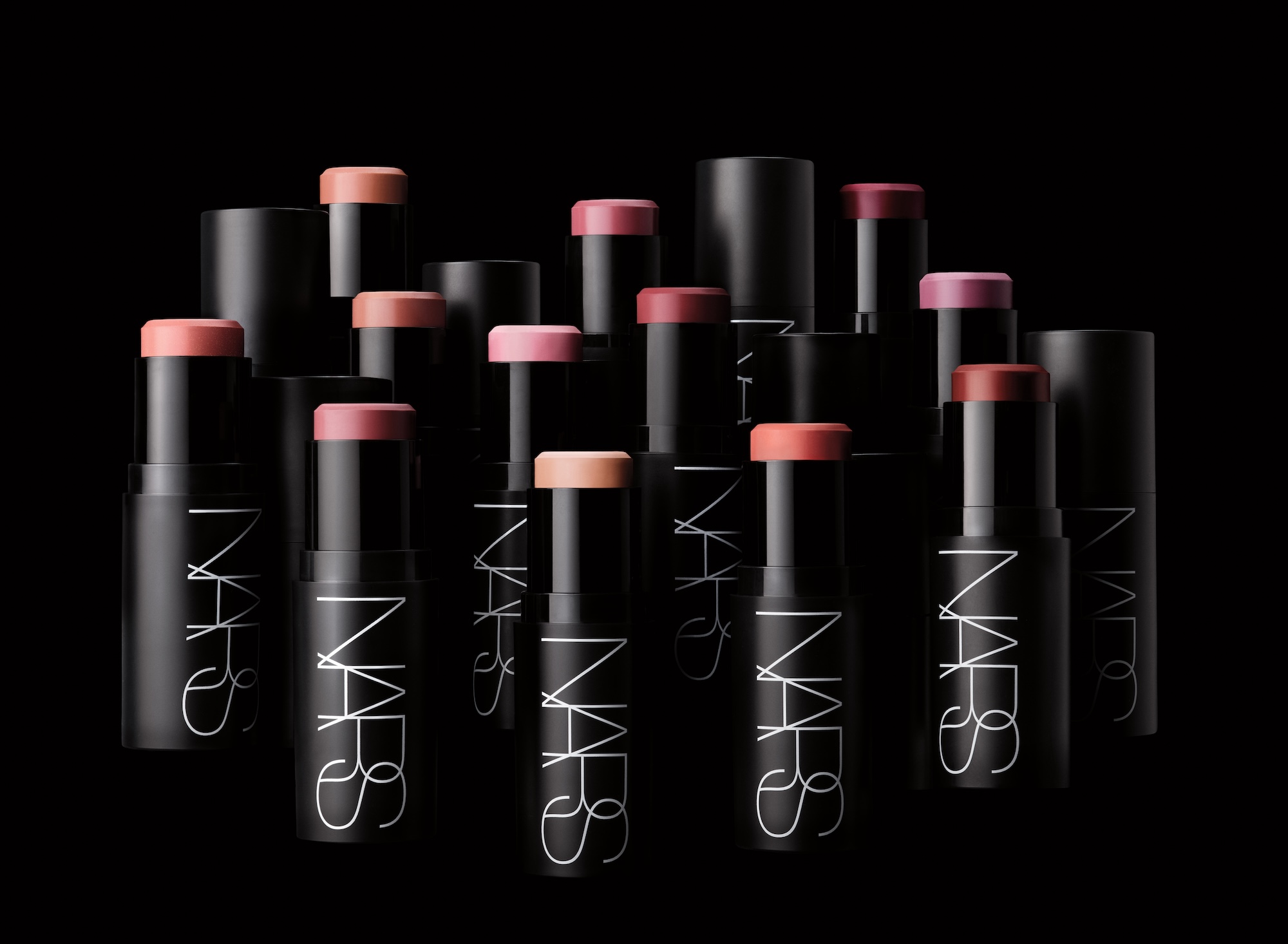
Thirty years after the launch of this cult product, a new range of Le Multiple shades is being released. ©NARS Cosmetics
INTERVIEW
Can you tell us about the moment that inspired you to create the Multiple stick during a shoot for Harper’s Bazaar in 1996?
François Nars: Yes, of course. We were six makeup artists asked to create a spring look for the Bazaar feature “Face Off.” I wanted to do something different and fresh. I picked up a burnt-orange lipstick from my line (in shade Tangier), and used it on Carolyn Murphy – her eyes, cheeks, and lips. It was very fast, very instinctive; it took only ten minutes. Her skin still showed through – you could see her freckles, her tan, and her green eyes popped. Everything came together in a simple but beautiful way. Only later I thought: “Why not create one product that could do exactly what the lipstick did on set that day?” That idea became The Multiple.
You used a single lipstick to do the entire face of the top model Carolyn Murphy. Did you realize you were inventing something?
Not at all. I just thought it was a cool idea because women are busy—they have kids, they’re rushing out the door in the morning, catching a train or getting into the car, and they need to do their makeup in five minutes to look polished enough for the office. For me, it was simply a practical idea.
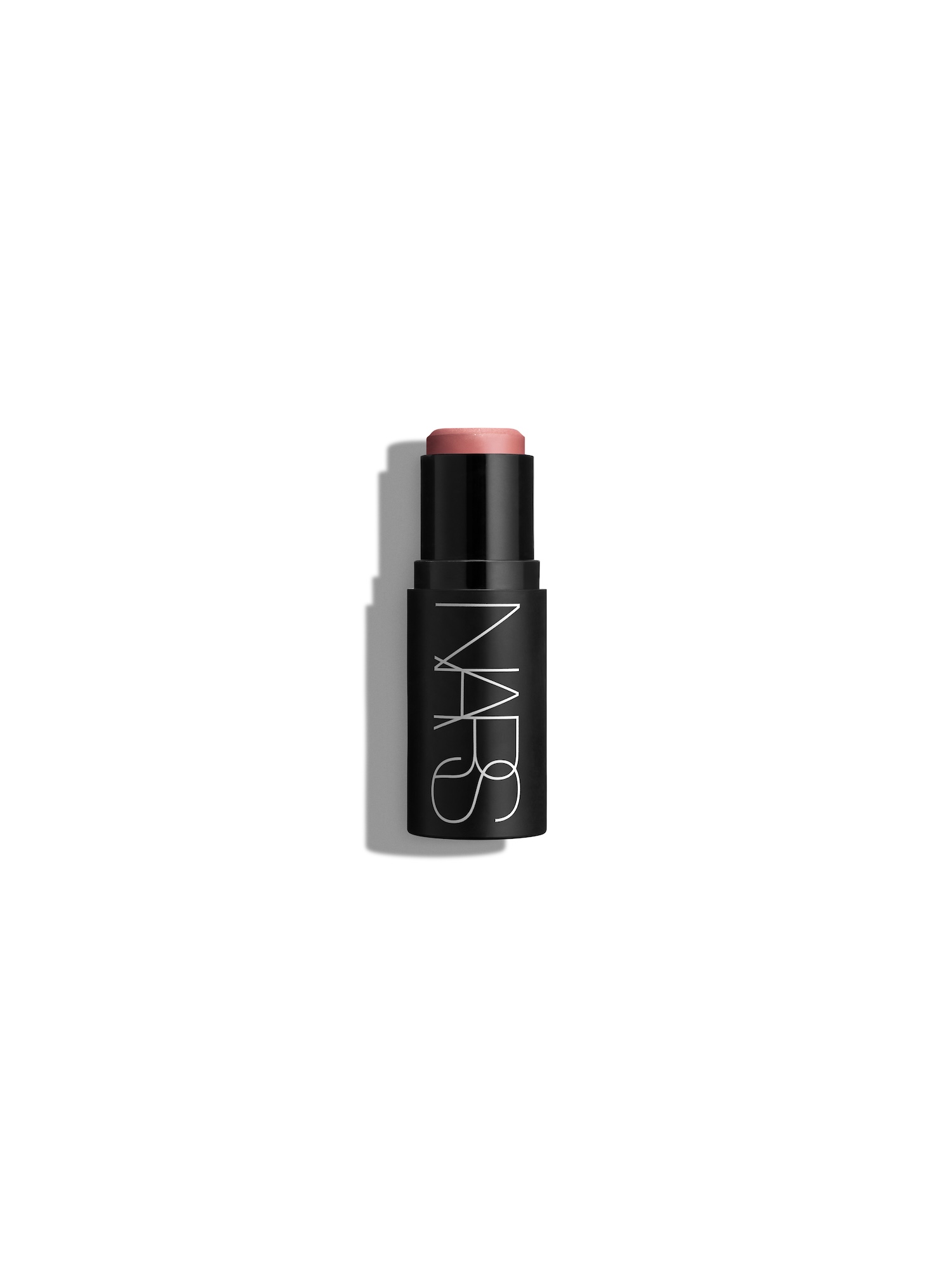
The Multiple ©NARS Cosmetics
At the time, this gesture was revolutionary. A revolution that lasted, since thirty years later, you’re launching a new formula (August 2025). How does it differ from the original?
The “revolution” label came much later, from the way women adopted it and made it part of their lives. With the new Multiple the spirit is the same, but the technology is not. The original Multiple was already ahead of its time. For 2025, we’ve taken it even further: perfecting the formula, refining the texture, intensifying the pigments, and expanding the shade range.
How do you think the Multiple has influenced the way we do makeup today? Even though it was created 30 years ago, it seems perfectly aligned with current makeup trends.
Today everyone talks about “multi-use” and “five-minute faces.” That was the philosophy of The Multiple back in the ‘90s. I think it helped people realize that makeup doesn’t need strict rules; one color can travel across the face.

The new Multiple formula offers a ‘soft focus’ effect
How did you create the new shade range, and what has changed in terms of texture, formula, effects, etc.?
For the original Multiple, I wanted shades that were neutral enough to catch the light: soft bronzes, shell pinks, and ivory tones. Texture was always key: a transparency that let the skin show through. For the new Multiple, we kept this DNA and expanded it. There are now 12 shades, ranging from very luminous, almost highlighting tones to deeper sculpting and bronzing colors. The new formula gives a soft-focus effect with more pigment, while the finish remains beautiful and weightless.
What does a successful makeup look like to you?
For me, successful makeup is when you still see the woman before you see the makeup. It should bring out her best features—not erase the face or build a new one on top.
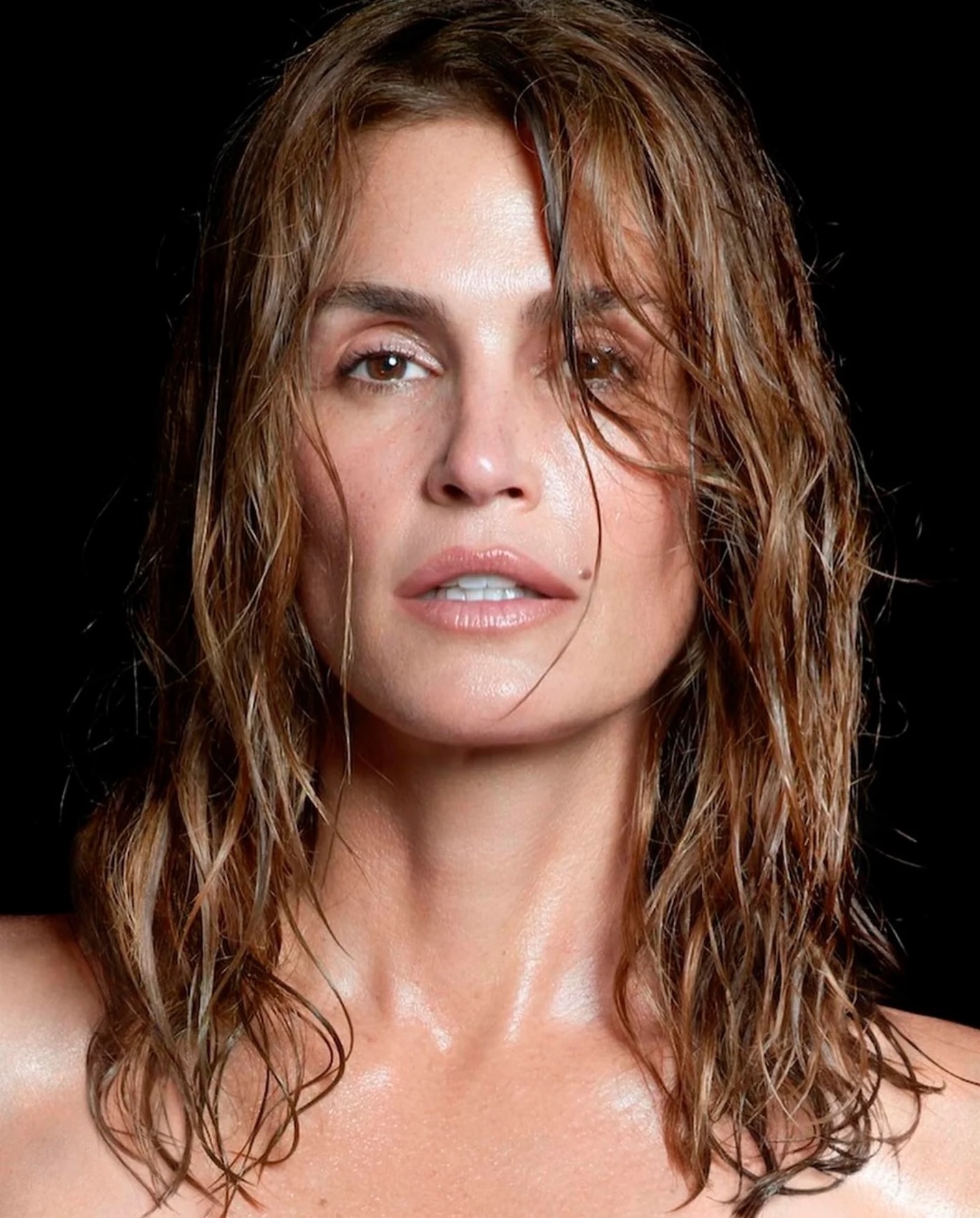
Cindy Crawford, PERSONA* By François Nars
Your makeup products have some of the boldest names out there. How did you come up with the idea to name them with humor and sometimes provocation?
It was very instinctive. The names are inspired by the world I live in and the things I love. Makeup, to me, is meant to be fun, expressive, and a little mischievous—never boring. It has always been about fantasy and a sense of play, and the names had to carry that same energy. I wanted them to make people dream when they used NARS, or at the very least, bring a smile. The names are an invitation to play.
It took courage to name a blush Orgasm! How did you come up with that name? What impression did you want to convey with that peachy-pink-orange-slightly luminous color?
I didn’t wake up and think: “Let me shock the world today.” When I created Orgasm Blush, the name actually came to me before the color. With NARS blushes, I wanted names that evoked emotion – something you could feel, maybe even something that made you blush a little. Not just a description of color. “Orgasm” was one of those words. It made you look twice. But for me, Orgasm was never just about sex, it was about life. Loving life. Enjoying it fully. So, the impression should be: “I feel something,” not “I put on a lot of blush.”

Blush Orgasm ©NARS Cosmetics
Was there a name you wanted to use but couldn’t?
Yes, unfortunately a few. One that comes to mind immediately is “Orient Express.” I loved the romance of it—trains crossing Europe, glamorous men and women in the dining car. Maybe one day it will come back in another way; I never forget a good name.
You’ve created iconic products – the Orgasm blush, Laguna, The Multiple – that have marked several generations. When you create a shade, do you think of a person, a skin tone, a story? And how do you know a color will become universal?
It’s always a mix of things. Sometimes it’s the person, sometimes it’s a place or a color. But I never know in advance if something will become iconic. You feel that a shade is beautiful, you believe in it, but the final word always belongs to the women who wear it. Orgasm, Laguna, The Multiple—they became universal because women decided they were.
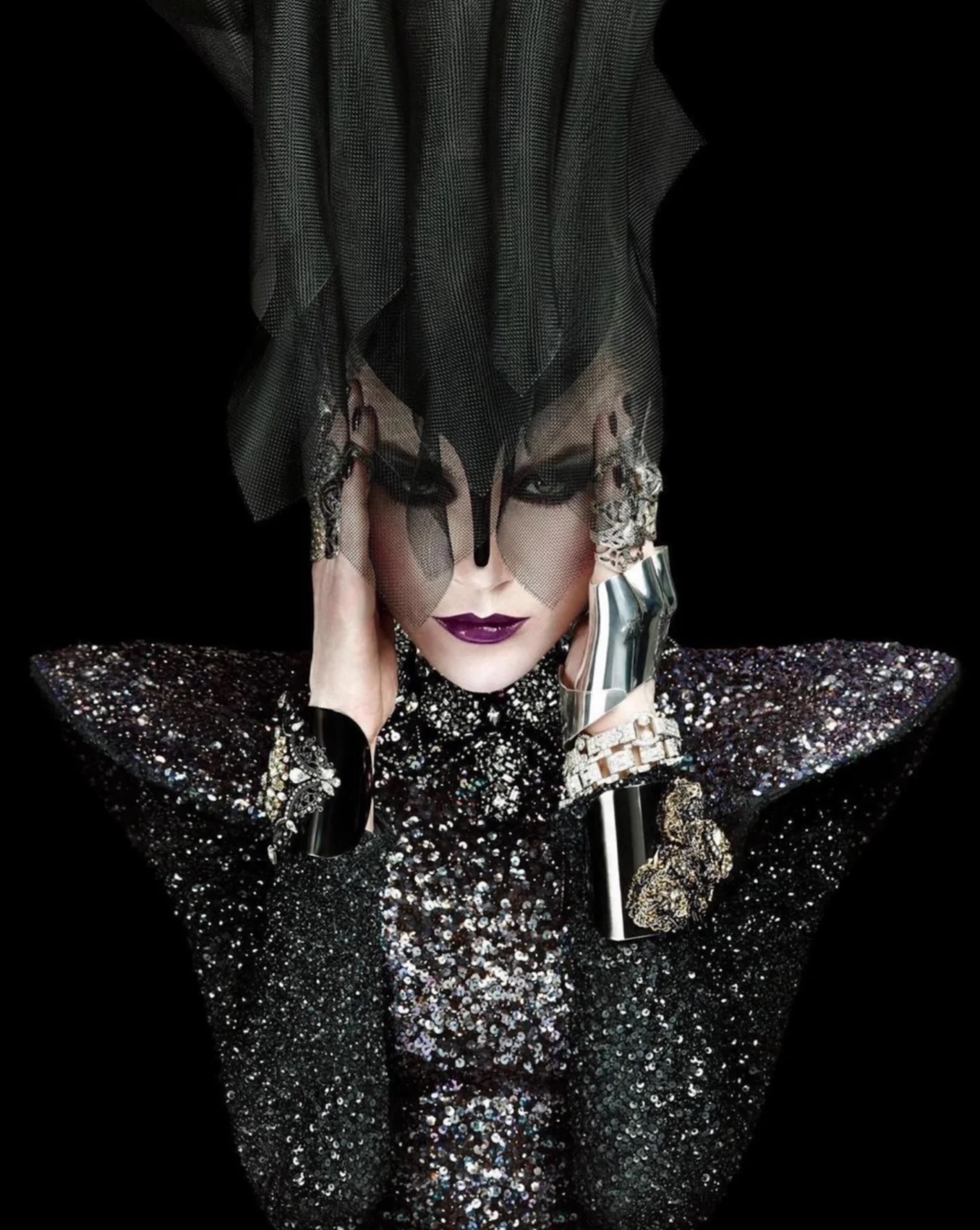
Daphne Guiness PERSONA* Photo ©François Nars
You launched NARS in 1994 with twelve lipsticks sold at Barneys. If you were to relaunch your brand today, in a world saturated with images and social media, what would your first collection be?
I would probably still start with lipstick. Lipstick is a very direct way to express character; one shade can change a face, a mood, a day.
What has changed in the way we apply makeup and in makeup itself since your beginnings?
Everything and nothing. Textures are much more sophisticated now; we can create formulas that didn’t exist when I started. There is also the influence of social media—people learn from tutorials, they experiment more, they share instantly. But in the end, they still want the same thing—to look and feel beautiful.
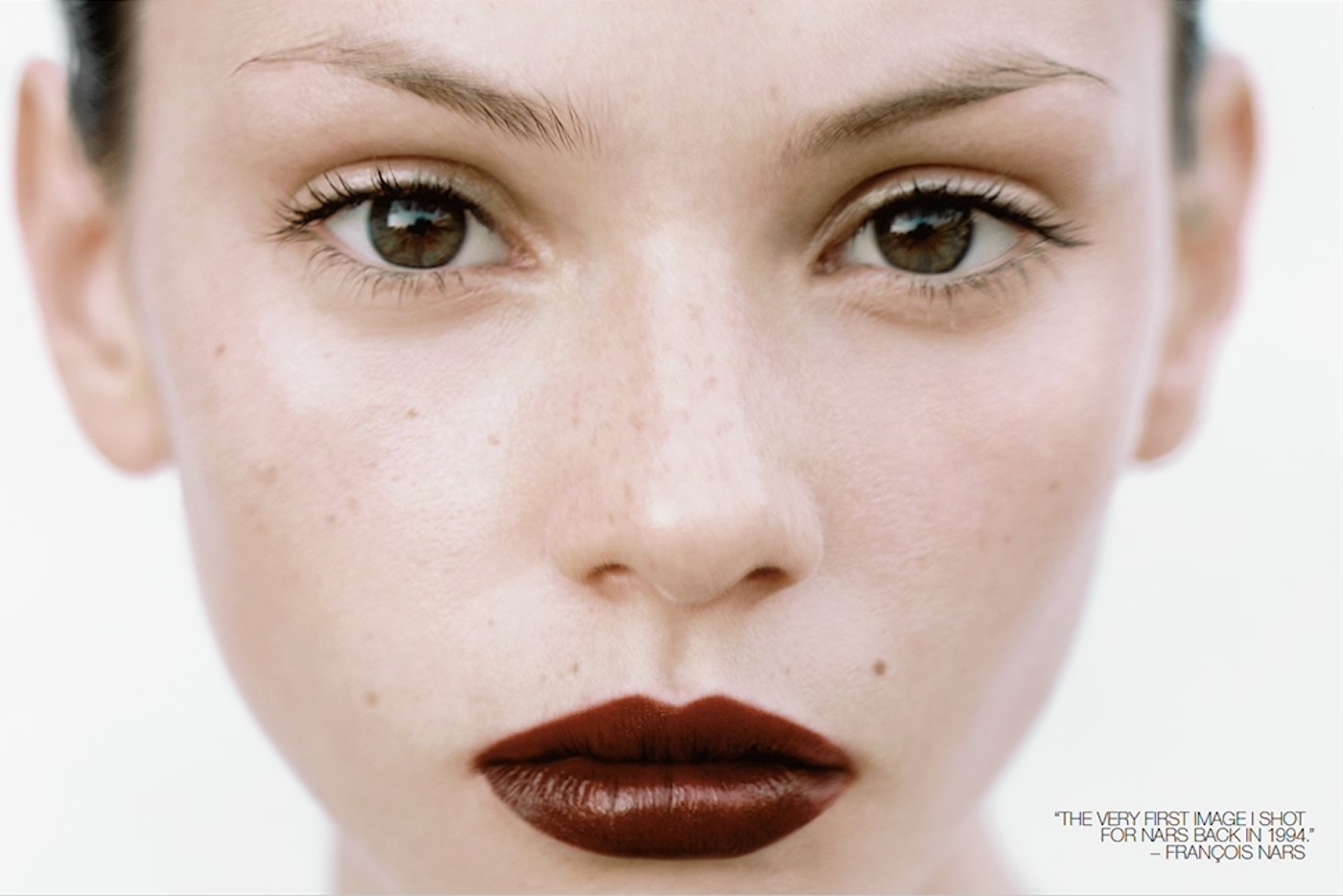
François Nars’ first photograph for the brand that bears his name in 1994 ©NARS Cosmetics
In a previous interview, you told me that your first contact with beauty was your mother, Claudette. How does this maternal figure continue to guide your vision today? And beyond the memory, what did she pass on to the man and artist you’ve become?
My mother was my first introduction to the world of beauty. On a deeper level, she gave me curiosity and discipline. She took my obsession seriously and helped me get my first assistant jobs in Paris. As a man and makeup artist, she taught me to look at women with admiration—not to dominate them with makeup, but to celebrate their beauty and individuality.
Your work is often described as cinematic. Is there a film, a scene, a cinematic light that sums up your aesthetic ideal?
I grew up on black-and-white films. I love the way old Hollywood lit a face—very sculpted, yet very soft. Film noir is also a big influence: shadows, smoke, a red lip you can almost feel even in grayscale. One film that has stayed with me since I was very young is Shanghai Express by Josef von Sternberg with Marlene Dietrich. I can watch it again anytime, and I love it.
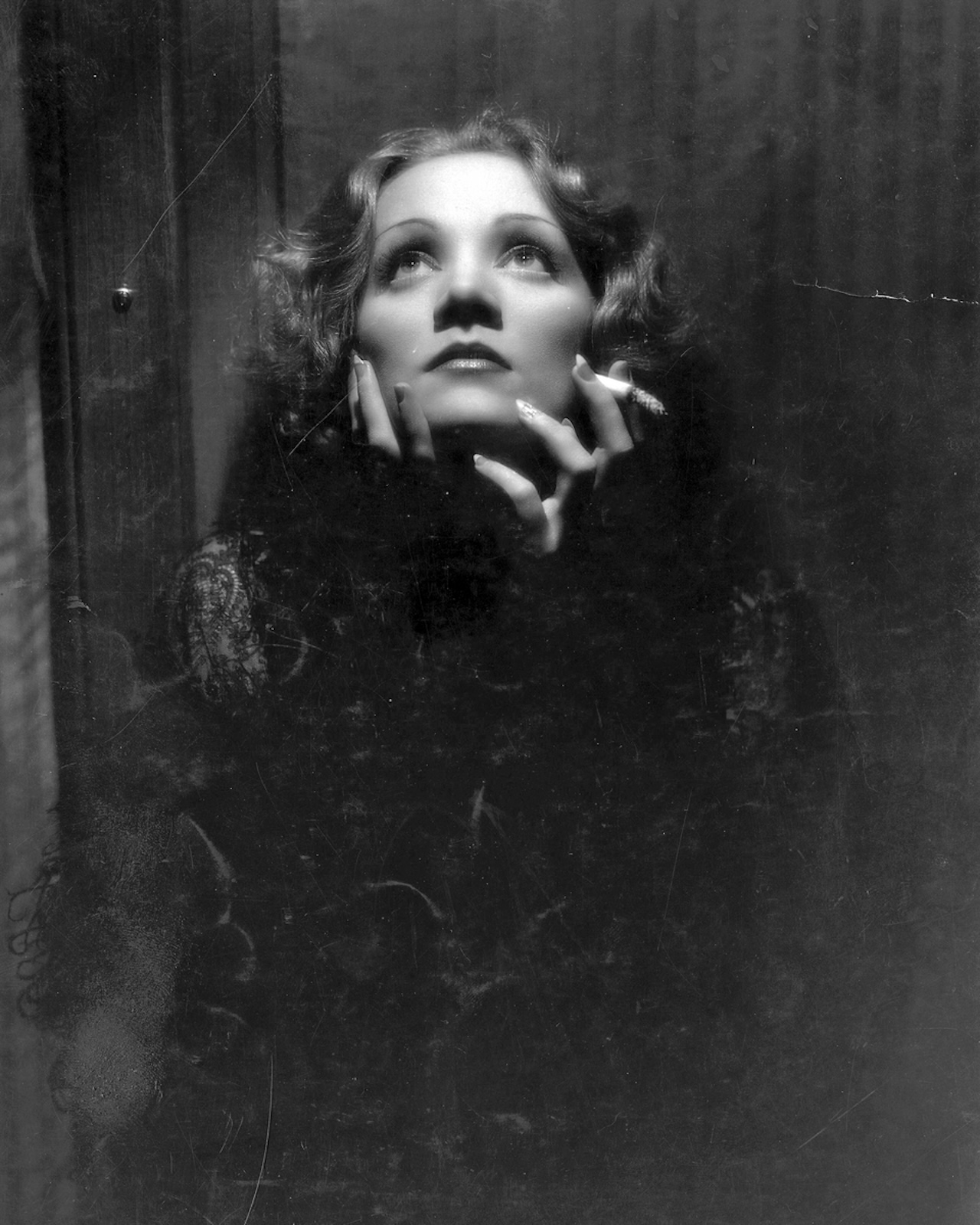
Publicity photo of Marlene Dietrich for the film Shanghaï Express (1932) by Joseph von Sternberg Photo Don English Parmamount Pictures Wikimedia Commons
Today, what are you still seeking to discover through beauty?
For me, beauty is a way of discovering life itself.
You spend part of your time in Motu Tane, French Polynesia. What does this isolation teach you about beauty, silence and light?
I do not spend as much time there as I wish I did. But having that opportunity is truly a gift. Beauty in many places across French Polynesia is still raw and untouched – it comes from the ocean, the mountains, the sky, the way the light shifts with every hour. Silence teaches me to see details I might have missed in the noise of the world. And the time there reminds me that beauty is not only something that we create—it is also something we receive.
When you look back on your journey, from Tarbes to New York, then from New York to Motu Tané, what do you see? A journey toward beauty, or a return to yourself?
For me, beauty was the vehicle and the destination. As a child in the south of France, I escaped into magazines and movies. New York gave me the freedom to create the images I had dreamed about—to work with the great photographers, the supermodels, to build the NARS brand. The island gave me perspective and calm; it allowed me to look at all of that from a distance and understand what truly matters.
* * The book Persona – François Nars, reveals an extraordinary production of cinematic, avant-garde portraits of an exclusive list of contemporary creative icons, celebrities, artists, designers, musicians, and actors.