
“Fashion is fashionable”
Exhibitions dedicated to fashion are attracting ever-growing audiences. How can we explain that an (almost) everyday consumer item draws crowds to the world’s most prestigious galleries and major museums? Exhibition curator Thierry-Maxime Loriot sheds some light on the matter. Elisabeth Clauss
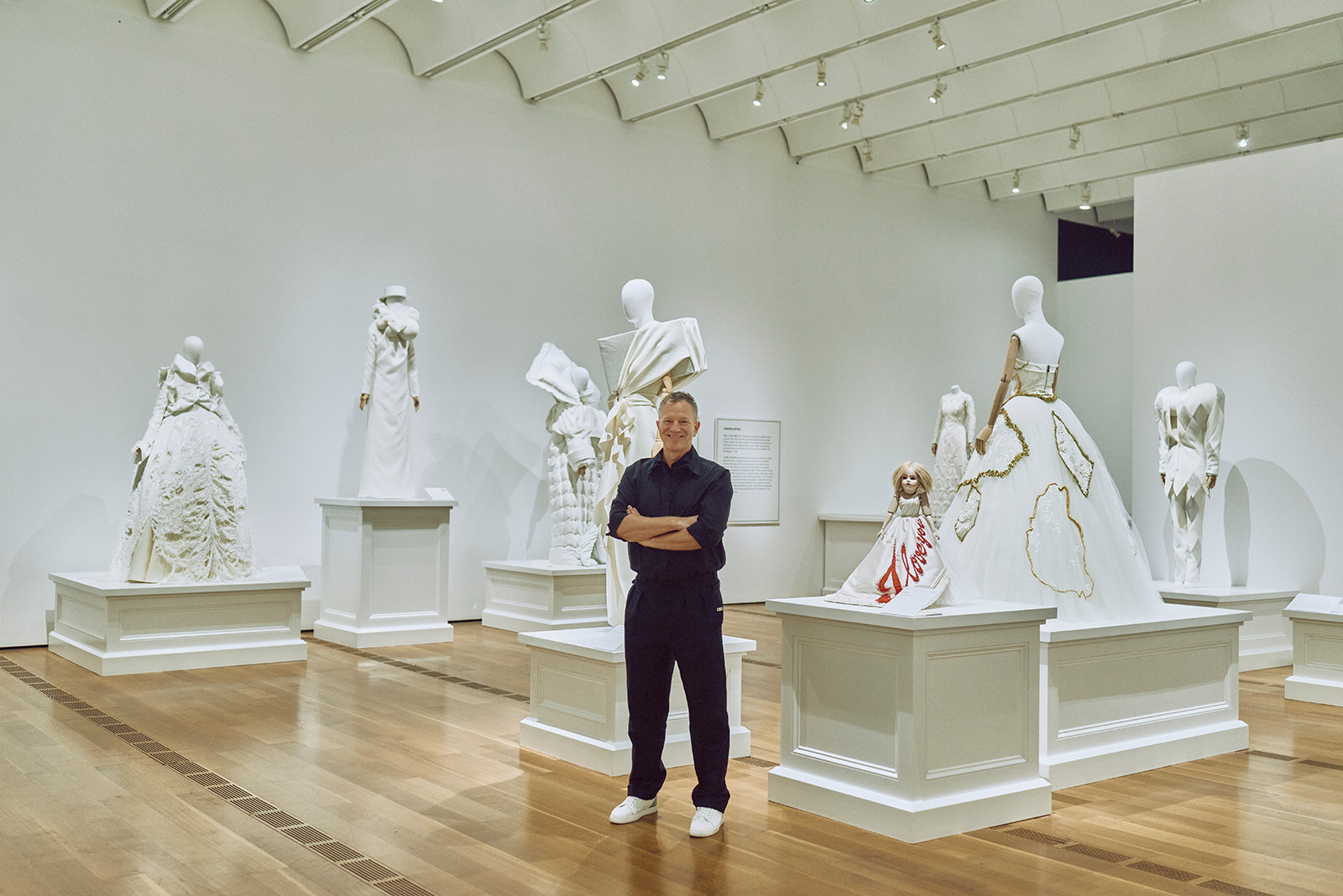
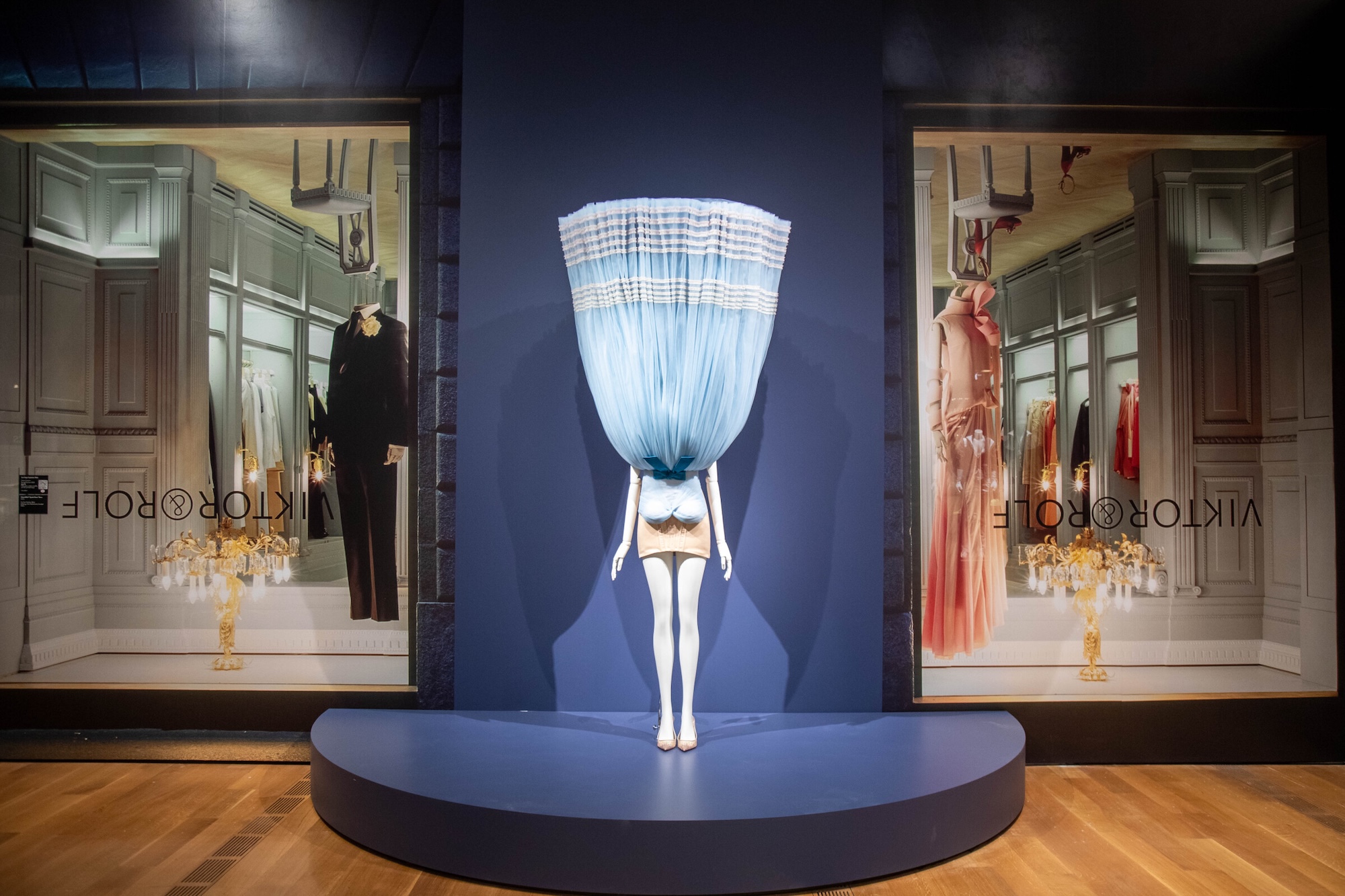
Thierry-Maxime Loriot, curator of the exhibition “Viktor&Rolf. Fashion Statement”, organised in collaboration with Viktor&Rolf at the High Museum of Art in Atlanta. ©Celina Odeh
In the space of a few months, Schiaparelli has opened its retrospective at the V&A in London, Viktor & Rolf in Atlanta, Christian Dior by Azzedine Alaïa in Paris, André Leon Talley at Lacoste in the Luberon, and soon Gianni Versace at the Musée Maillol, whilst the Musée Galliera debunks 18th-century fashion myths for all generations. Why has fashion made such a successful transition from shop windows to museum displays? Thierry-Maxime Loriot, author and exhibition curator, analyses this culture from every angle.
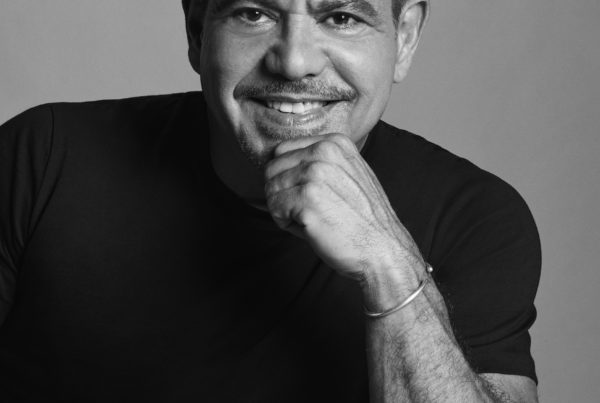
Having studied art history and architecture in the 1990s, he eventually entered the world of applied arts through modelling. Close to the designers and leading couturiers who have shaped the evolution of fashion over the last forty years, this inquisitive curator analyses the sociology of the world by putting fashion’s expressions into perspective.
Thierry-Maxime Loriot conceives and stages exhibitions that are grandiose in both form and subject matter, elevating curiosity about aesthetics to the realm of artistic memory. A true feat in this age of dematerialised culture, he has already attracted over 7 million visitors to immersive exhibitions revealing the full scope of the talent of Jean-Paul Gaultier, Manfred Thierry Mugler and Viktor & Rolf, in the world’s greatest museums. A consultant on numerous other major projects, including the Schiaparelli exhibition at the Victoria and Albert Museum, and author of books accompanying the exhibitions, he creates a mirroring of pop culture in fashion through the works of visionary couturiers.
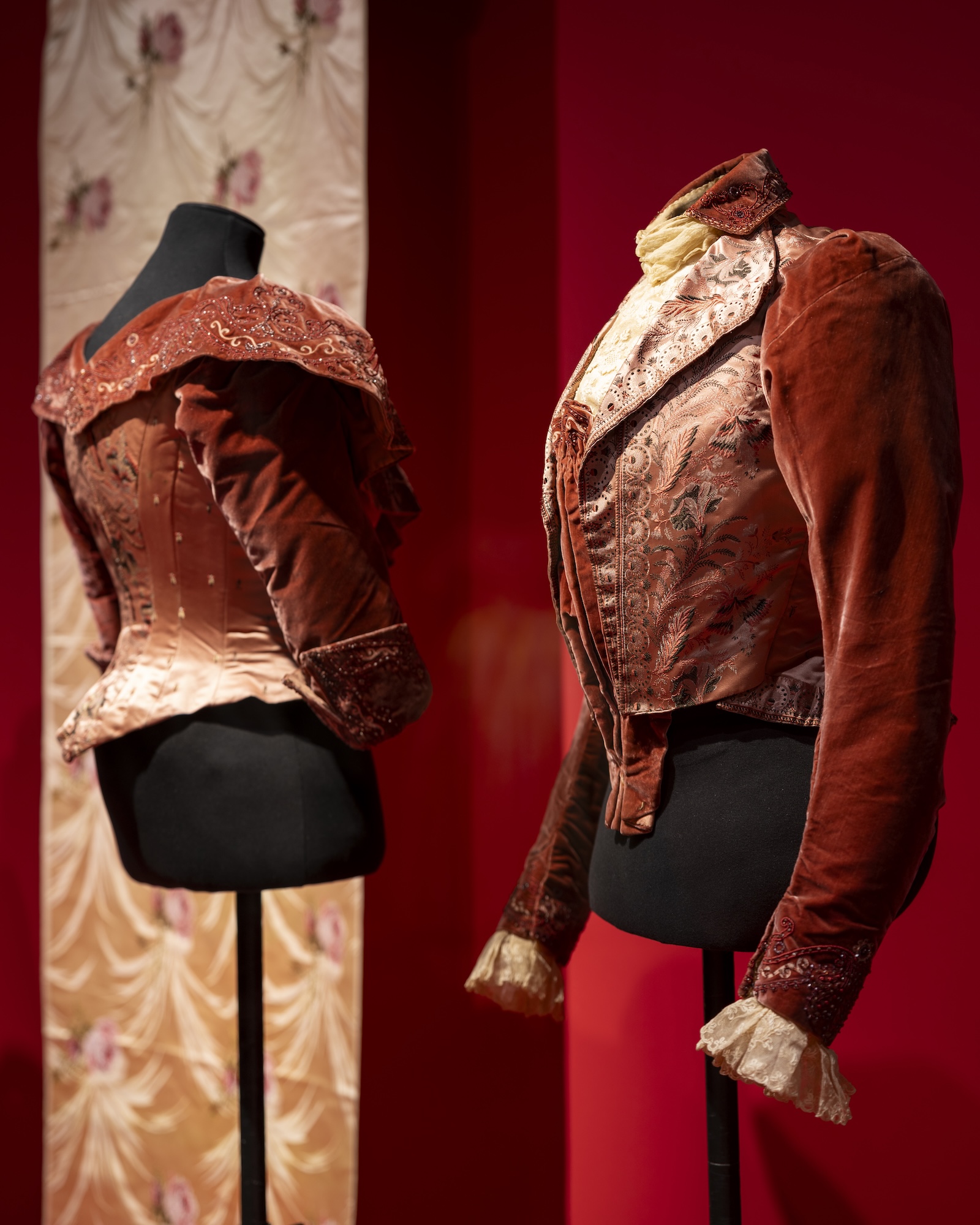
La mode du 18e siècle, Palais Galliera – Paris Musées ©Nicolas Borel
INTERVIEW
How can we explain the proliferation of fashion exhibitions, which are increasingly aimed at the general public and less focused on industry insiders than before?
Thierry-Maxime Loriot : First and foremost, we must bear in mind that “fashion is fashionable”. The announcement of major exhibitions attracts audiences, which museums use to support their programming, to sell season tickets and memberships, to drive footfall in the shop, and to build loyalty among visitors—often young people under 25—who come to discover a fashion phenomenon and will return to learn about other cultural subjects.
Is cultural interest necessarily driven by a commercial motive?
The patronage aspect of these events means that we are giving the general public a glimpse behind the scenes of Haute Couture. The popularity of these exhibitions brings together people who are genuine consumers of luxury goods, who run companies with significant resources to fund this type of project, and who might be less inclined to support exhibitions focusing on the old masters, medieval art or subjects they perhaps consider less topical, less youthful, less cool. All these reasons also explain why every museum is seeking to stage ‘blockbuster’ exhibitions. Stars come and go, and their openings resemble a Hollywood premiere. Everything is carefully planned, from the music to the décor, to make them highly sought-after events.
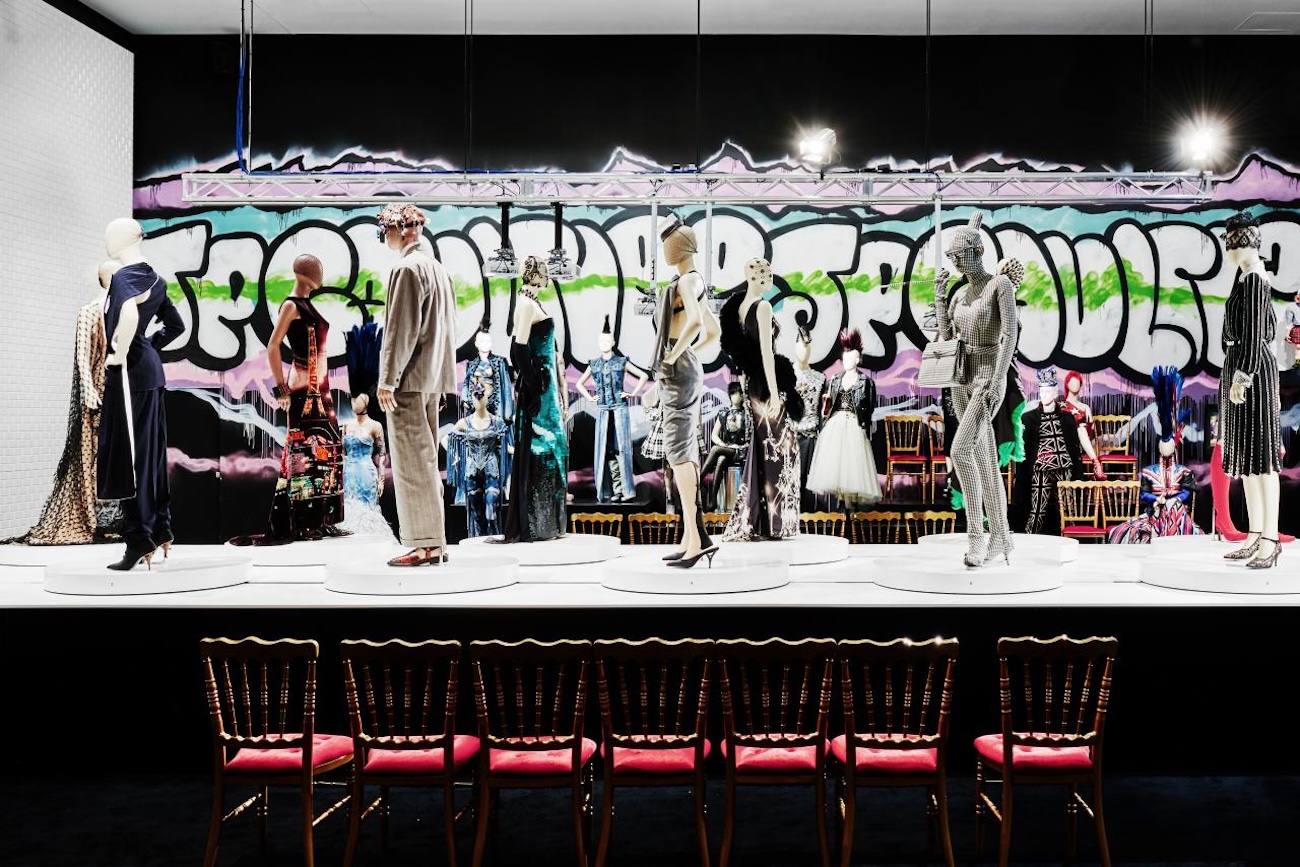
The exhibition “La planète mode de Jean Paul Gaultier : de la rue aux étoiles” was held at the Grand Palais in 2015. Curator: Thierry-Maxime Loriot ©DR
Who benefits from the myth?
In the case of the exhibition dedicated to the work of Jean-Paul Gaultier – which has travelled to 17 cities around the world and attracted 3.2 million visitors – the Puig Group, which owns the fashion house and its perfumes, did not fund either the design of the project or the media promotion events. It was funded solely by the museums’ own revenue, through ticket sales to visitors. But this approach is rare, and is even tending to disappear.
Why is that?
Major brands and groups are embracing the concept because they have realised that exhibitions serve as a gateway to the world of luxury. First by sparking the interest of the man and woman in the street, then by bringing books and exhibition catalogues into the living room, alongside branded perfume bottles.
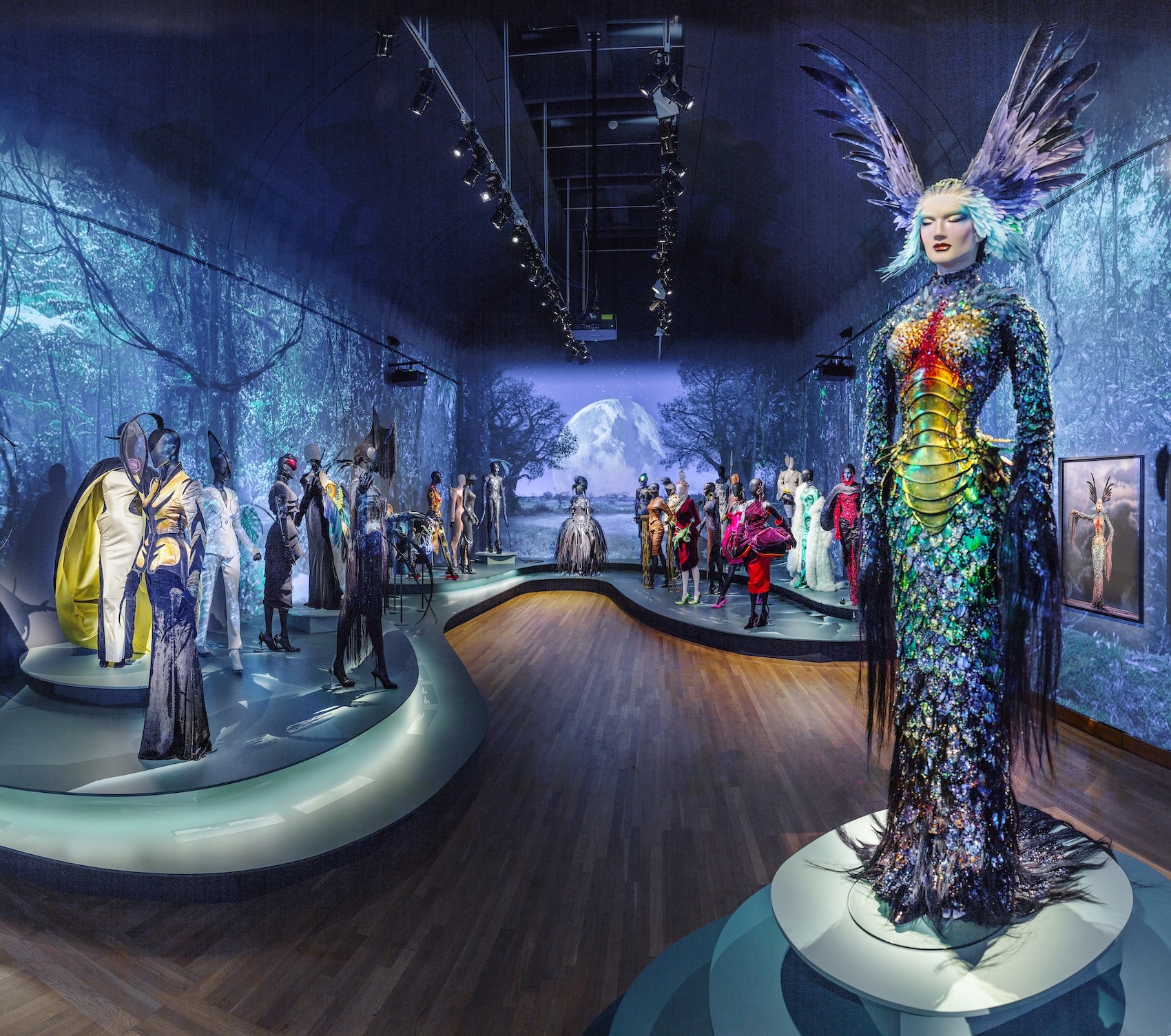
The retrospective “Thierry Mugler: Couturissime”, presented at the Montreal Museum of Fine Arts in 2019, was curated by Thierry-Maxime Loriot ©DR
Is this perhaps also a gateway to a more accessible form of luxury?
Since the pandemic, you have to queue to enter a luxury boutique. Next, a sales assistant is assigned to us, following us every step of the way under the pretext of better guiding us through our experience. This relentless commercial approach can be perceived as intimidating, and may discourage customers from entering these temples of luxury, when all they really want to do is look at the clothes and discover the brand’s world, as was the case just a decade ago. Nowadays, the best way to access that kind of sophistication is through fashion exhibitions. In a museum, no one tries to sell you anything. There, the beauty of craftsmanship is celebrated, and creativity is honoured. The perspective is truly different.
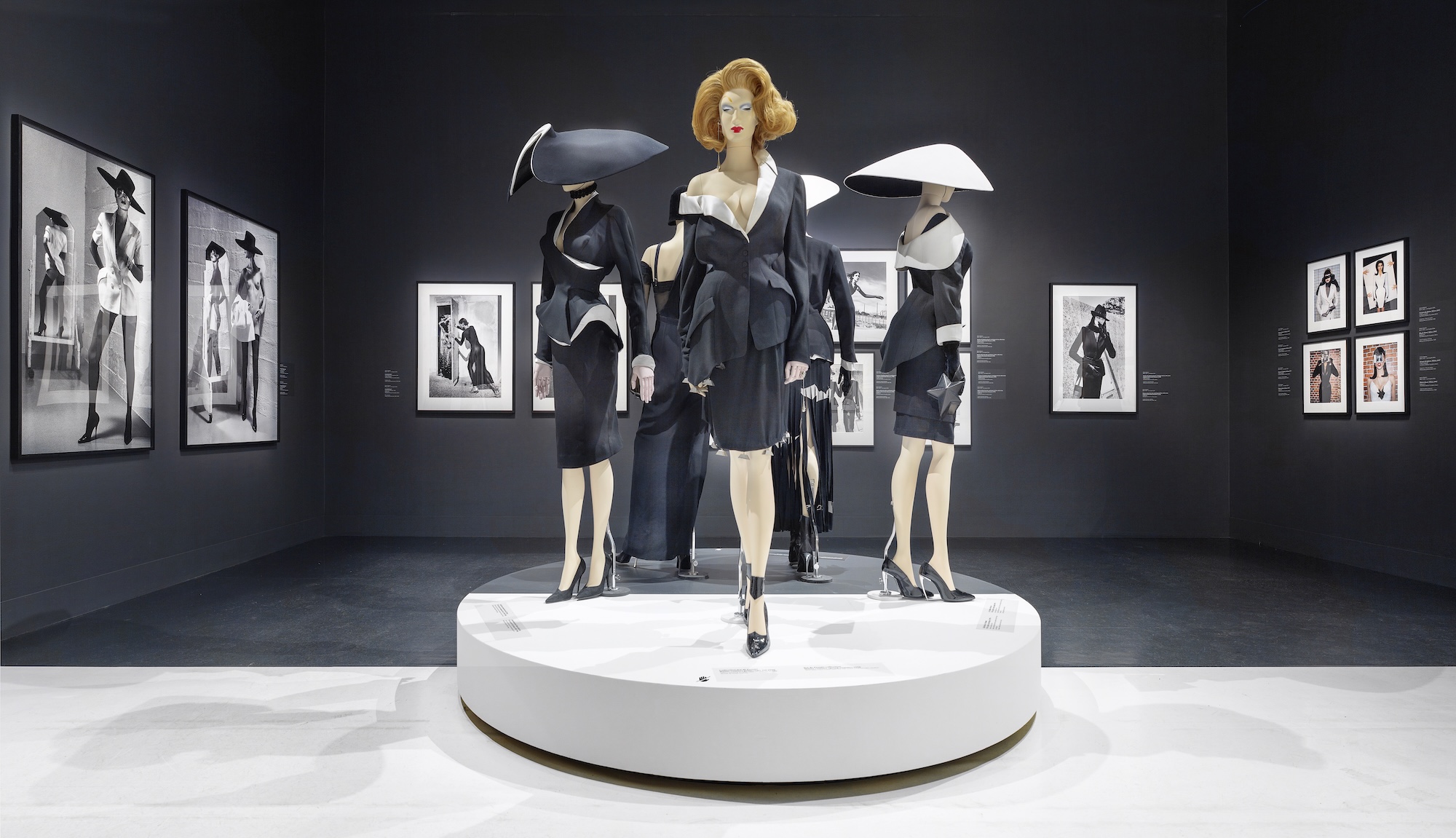
« Thierry Mugler : Couturissime », Montreal Museum of Fine Arts, 2019 ©DR
Should we distinguish between exhibitions sponsored by the brands themselves and purely cultural initiatives?
They have different dynamics and motivations. Brands have realised that if visitors were to visit museums to discover a world of fashion, it became worthwhile for them to invest in their storytelling, to tell their own chosen story. This is one of the reasons for the proliferation of fashion exhibitions outside fine art museums, in temporary venues set up for the occasion. They should not be confused, as the intention is commercial, rather than educational or cultural. These brands construct a narrative framework, but visitors often realise that it is merely a commercial experience. What is missing is the relevance of the designers who innovated, who challenged conventions, who invented something new, who were truly the pioneers of a movement. The approach of museums is non-profit; it is inspirational, educational, even uplifting.
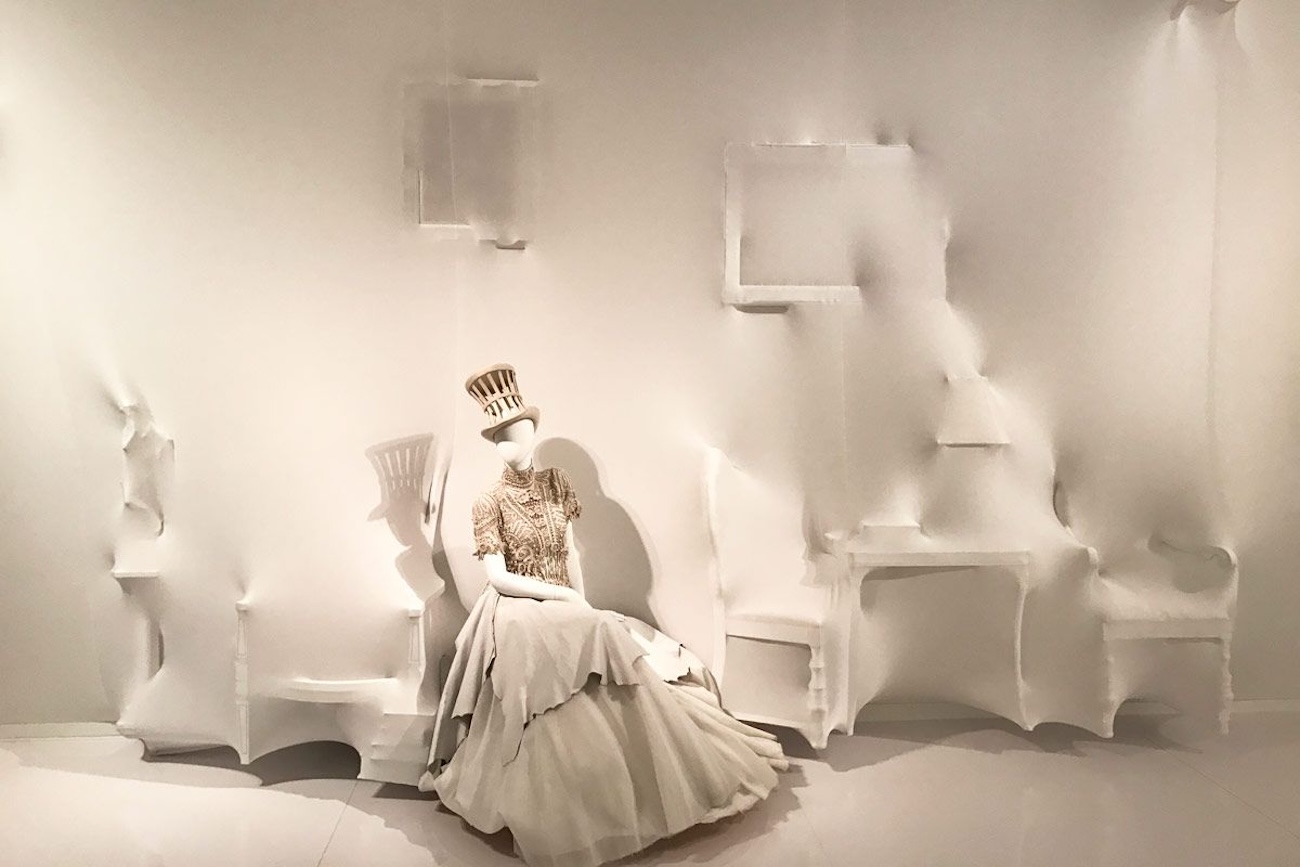
« La planète mode de Jean Paul Gaultier : de la rue aux étoiles »
In what way can these exhibitions have an educational impact?
People generally read less, and we live mainly in an instant world where reading capacity is limited to 120 characters or 2.5 lines, modelled on an Instagram post. This is clearly evident in magazines, which are getting thinner and thinner, with ever-shorter articles. I’ve even noticed a shift in the small explanatory signs at exhibitions. When I started out in the early 2000s, you could write between 800 and 1,000 words on them. Now, the text limit is between 200 and 250 words, to ensure the public can read it quickly and grasp the concept as a whole. I think we have to acknowledge that our attention span is shrinking year on year. At the same time, every life event is turning into a popularity contest via social media. We prioritise references over education. Among the younger generation, many people limit their research to Tumblr, Instagram or Pinterest. They then create mood boards. They like an image and reproduce it exactly as it is, without realising it was created by great artists such as Man Ray or Irving Penn. Exhibitions highlight the connections between the arts.
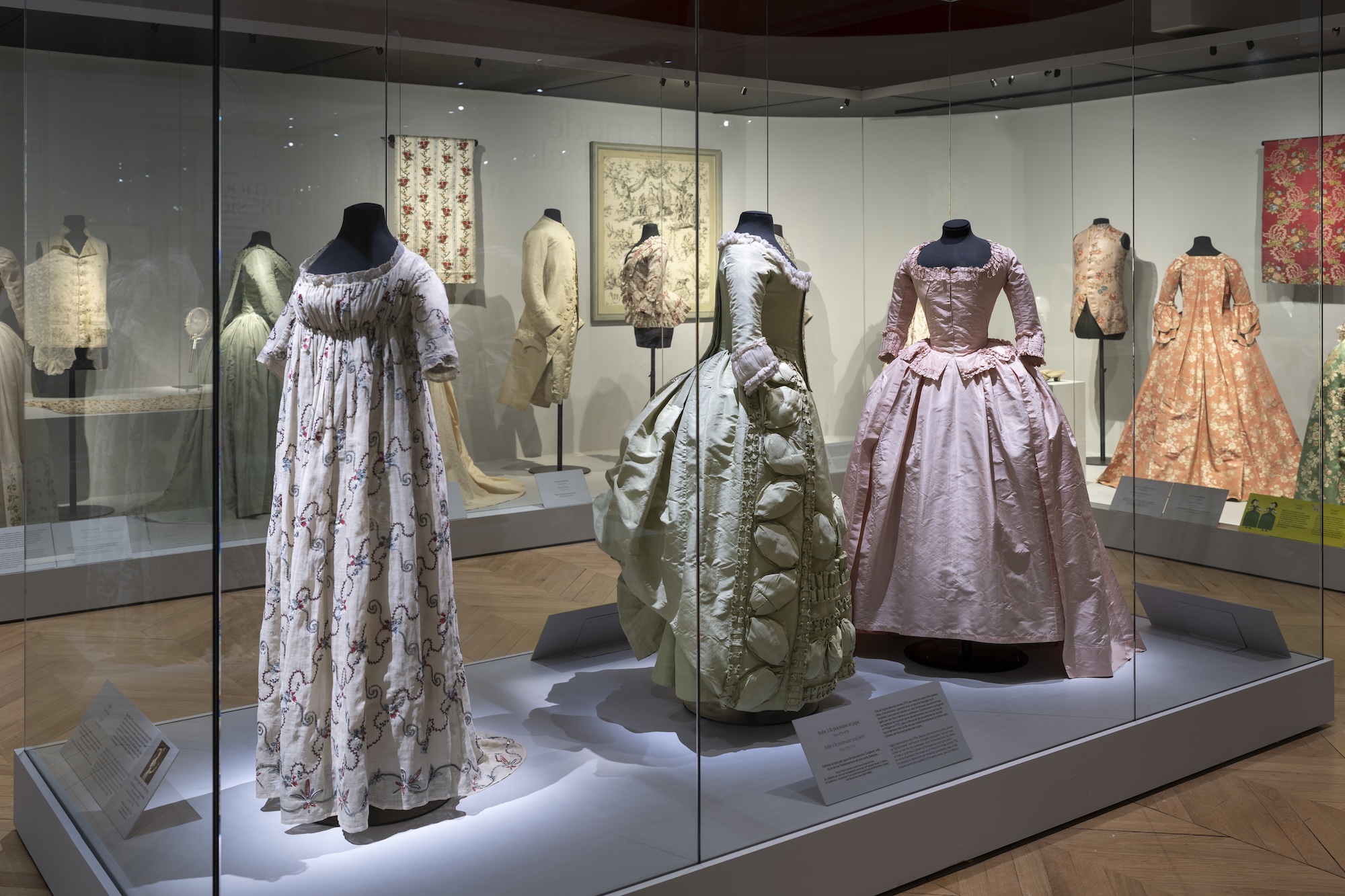
La mode du 18e siècle au Palais Galliera – Paris Musées ©Nicolas Borel
Is clothing a work of art?
In the context of a fashion exhibition—a moment of experience and discovery, even of learning—everything we convey should reflect current events or a moment in history. I believe that for creatives, whatever their field—be it film, literature, painting or fashion—it is important to be rooted in their era, and to translate their understanding of the past to explain the present. We can interpret a great many social phenomena by watching fashion shows, by analysing skirt lengths on the high street against a timeline, or by deciphering the desire for sequins or the temptation towards simplicity in light of current events. To put things into context, we must explain that what happens in art at a given time always reflects a social issue.
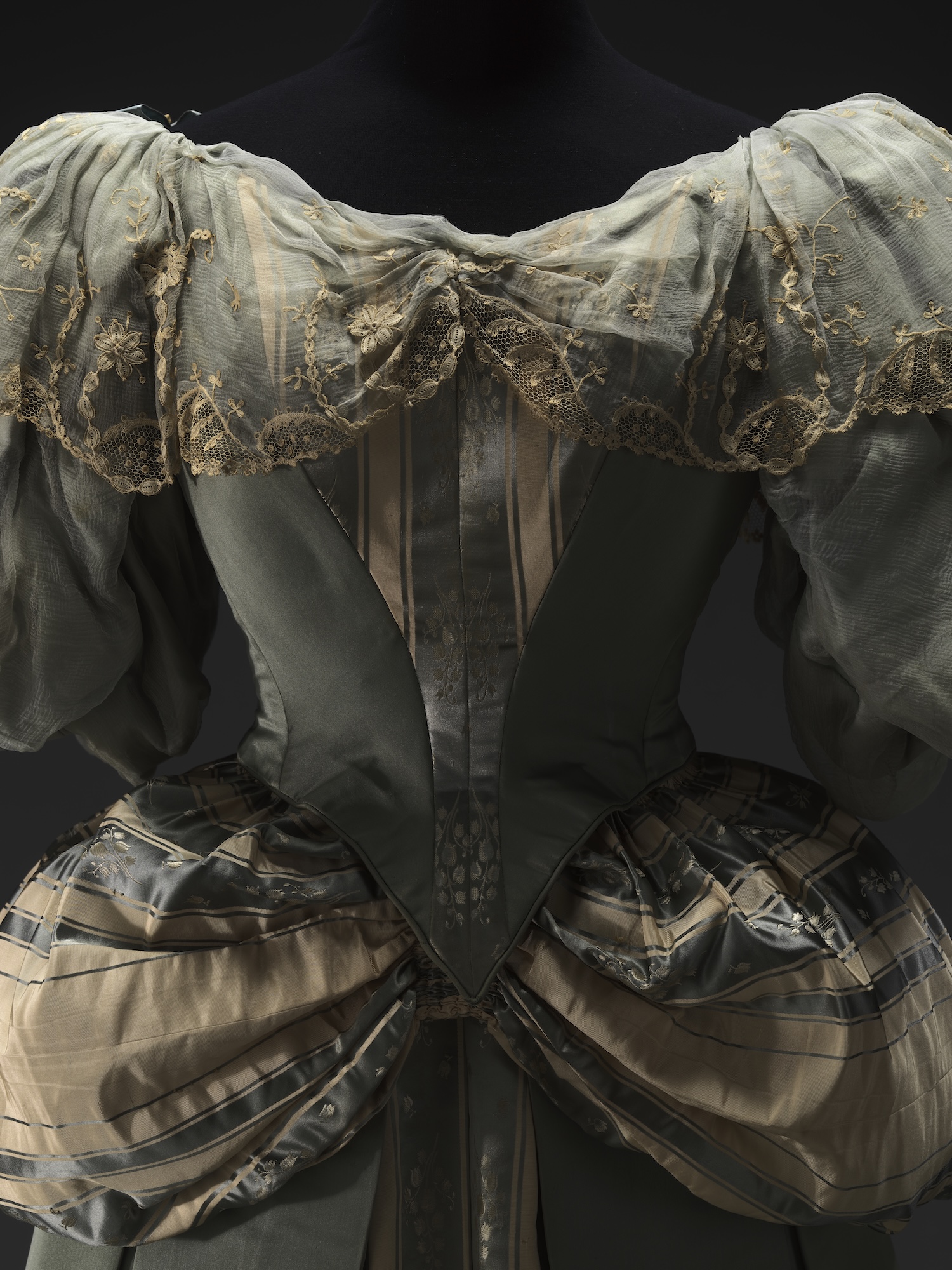
Evening or ball gown (bodice, skirt, and pannier), around 1890-1900, ©Palais Galliera – Paris Musées
Can art change perspectives on taboo subjects?
The #MeToo movement, for example, has had an impact on Victoria’s Secret shows, on the way women are now portrayed in magazines and photographed in fashion. The work of Helmut Newton or Guy Bourdin was a product of a certain era. And even with that awareness, coming from men, it is less excusable today. Conversely, upon the release of her book Sex, Madonna was crucified by public opinion precisely because she was a woman. Yet with hindsight, we realise that it was above all a work of art. We should always pay attention to true creators, to genuinely innovative minds, such as Mugler or Gaultier, to all those whose thoughtful work embodies a response to current events. I believe in dialogue, in the importance of explaining things. Whereas, before fashion weeks, it was the master paintings that bore witness to the subliminal messages of clothing trends, it is perhaps now fashion exhibitions that put the customs and traditions of costume into perspective.
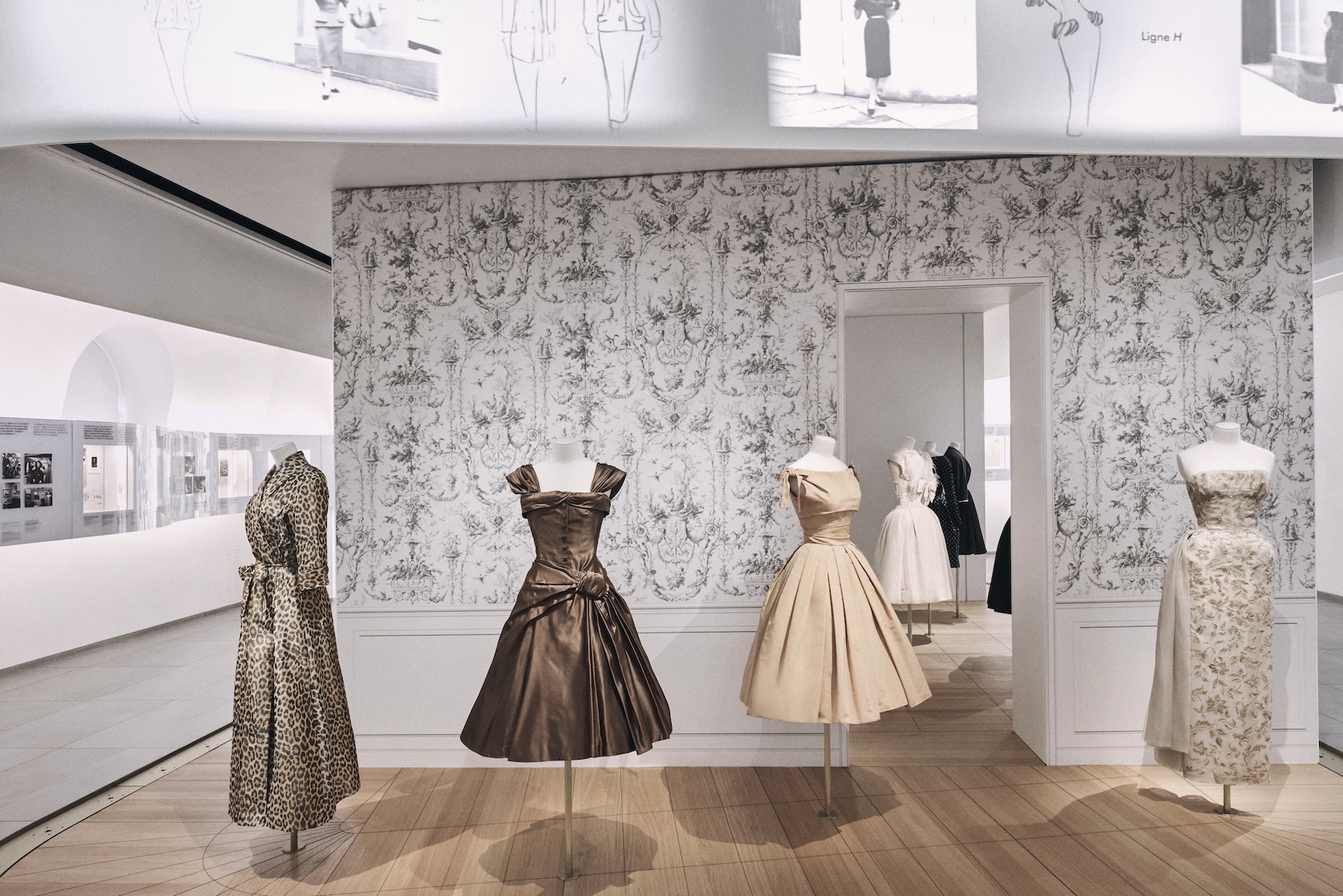
“La Collection Dior d’Azzedine Alaïa”, La Galerie Dior, Paris. Scenography © Adrien Dirand