
Hermès opens the doors to its Geneva home
On 5 November 2026, Hermès unveiled much more than an enlarged boutique when it reopened its newly redesigned Geneva address. Within this modernist building designed by Marc-Joseph Saugey, the house has created a space where architecture, works of art, its collections and the light of Leman Lake enter into dialogue. Isabelle Cerboneschi
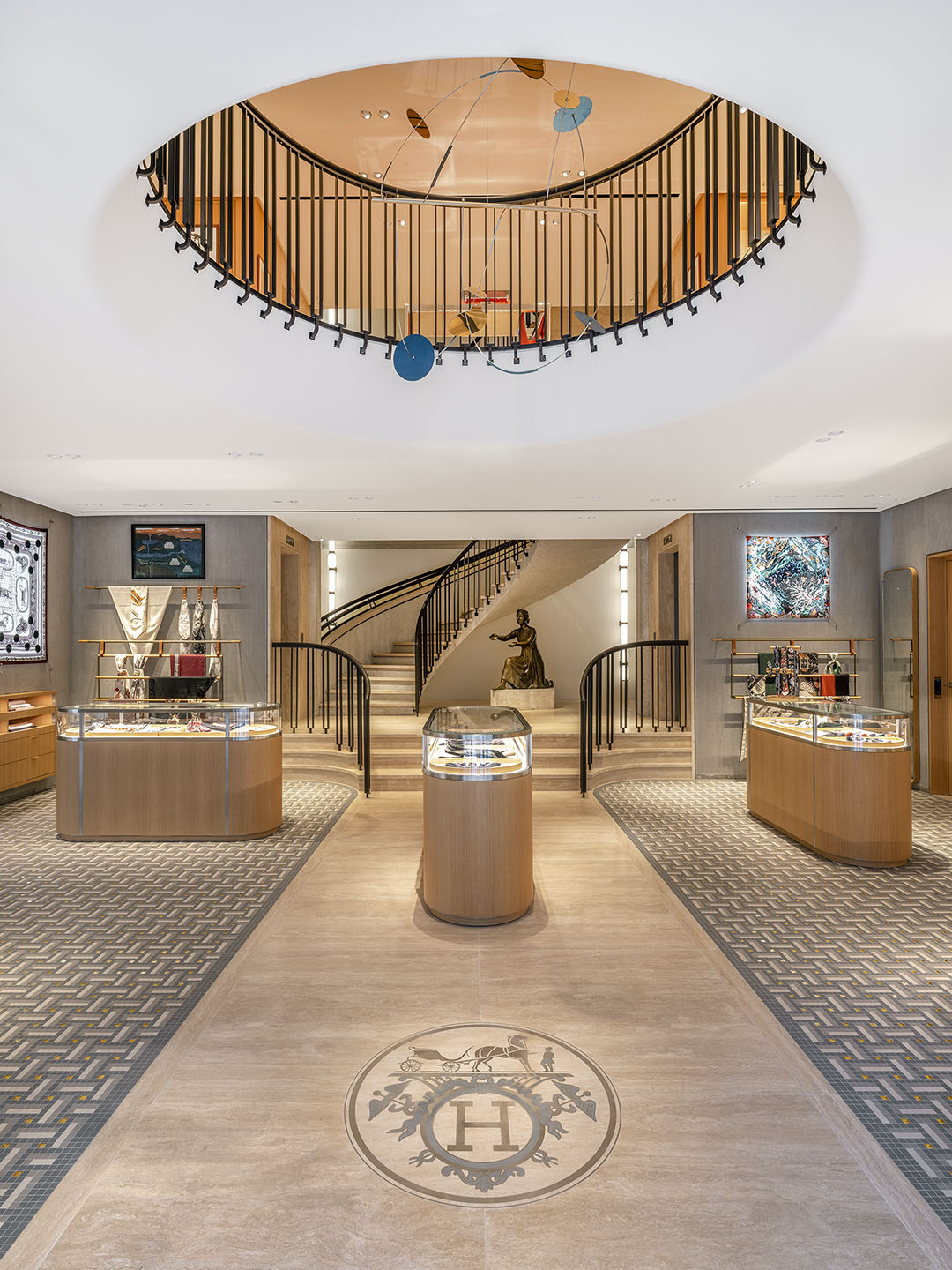
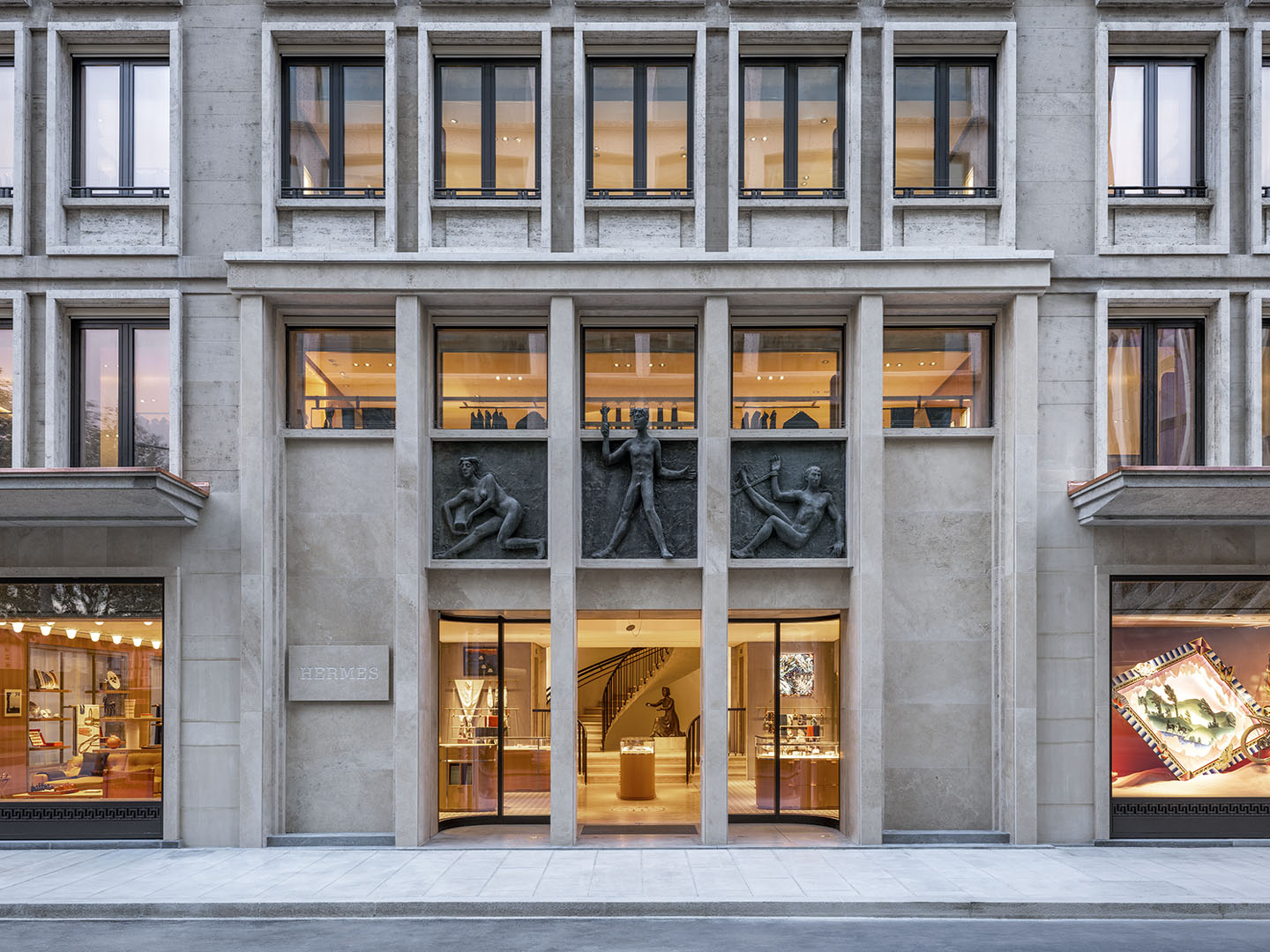
Rue du Rhône is to Geneva what Bahnhofstrasse is to Zurich or Avenue Montaigne to Paris: the address where every major luxury house wants to be. Once a brand has secured a boutique on Rue du Rhône, it generally holds on to it for decades. And then there is Hermès. On 5 November, the house unveiled its completely refurbished boutique, with one unexpected change: a new entrance at 1 Rue Robert-Céard.
Rediscovering the spirit of the building
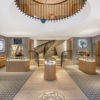
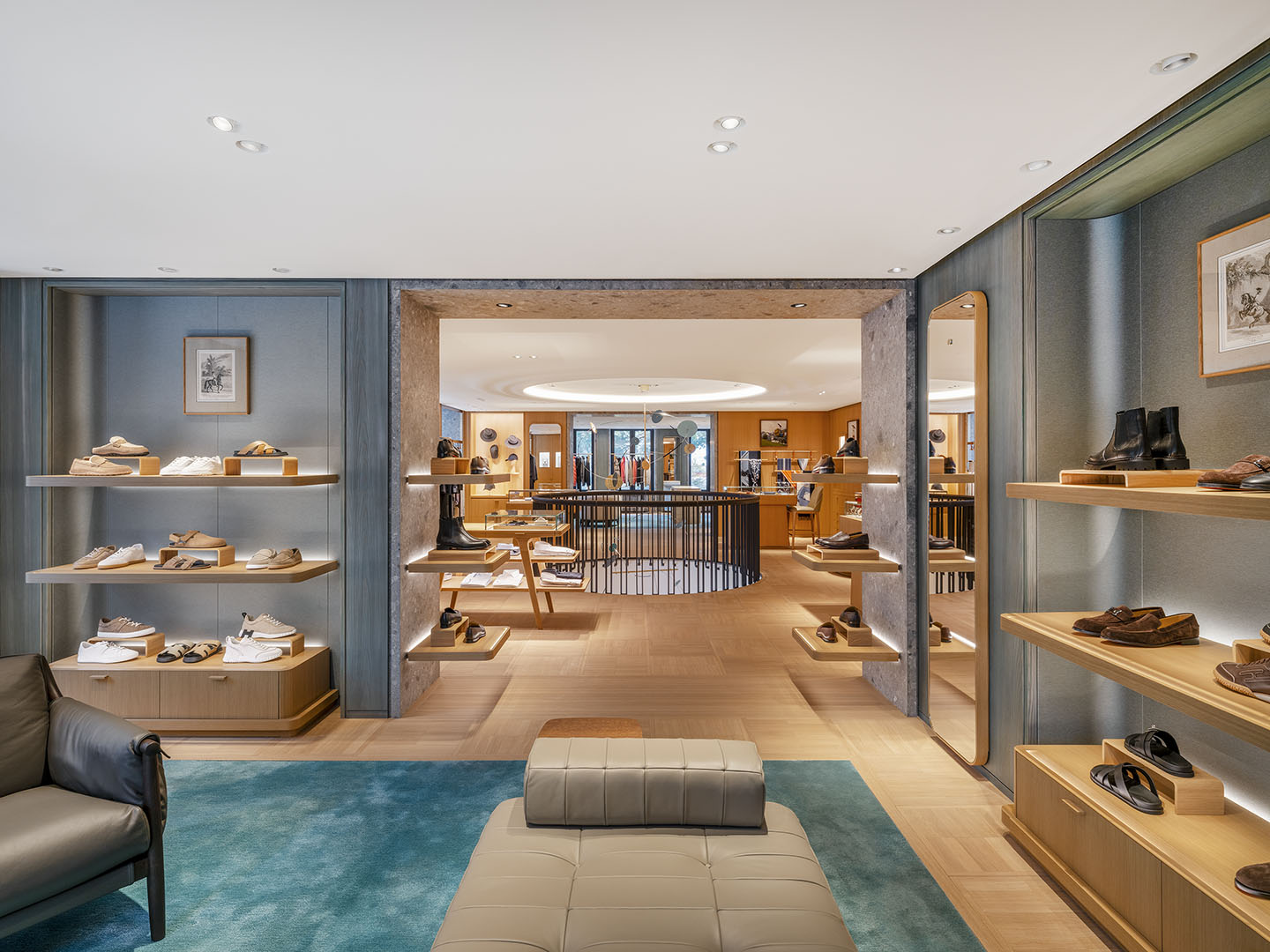
The reason for this change is primarily architectural: the intention was to restore the original entrance to the building that has housed Hermès since 2011. Designed by Swiss architect Marc-Joseph Saugey, the modernist structure has a distinctive identity, with its concrete surfaces, travertine, bronze sculptures on the façade and generous openings onto the city. Rather than concealing these features, Hermès has chosen to bring them to light.
“We are not trying to create a shop, but rather a welcoming place where we can display objects from the Émile Hermès collection and receive our clients as friends.” With these few words, Axel Dumas, Executive Chairman of Hermès, summed up the philosophy behind the boutique’s transformation.
One of the most significant architectural interventions concerns the original staircase, which has been reconstructed this its concrete structure. It is the first thing visitors see as they enter the boutique. “When we previously refurbished our store, we closed off access to this staircase and built another one. When we presented our plans to the heritage authorities, including the reconstruction of the original staircase as it had been designed in 1948, they were both surprised and delighted,” recalls Pierre-Alexis Dumas.
A longstanding relationship with Geneva
Hermès’ history in Switzerland dates back to 1947, when the house opened its first boutique outside France. “Geneva was one of the first places outside Paris where we established a presence. We have had a store here for eighty years, and we feel completely at home. That is why Pierre-Alexis chose to display so many paintings and photographs from the Émile Hermès collection here,” explains Axel Dumas. “For us, Geneva is a symbol of stability and continuity, and this boutique is something of a declaration of love to the city,” adds Pierre-Alexis Dumas.
Hermès’ sixteen métiers are spread across the boutique’s six levels, with interiors designed by Paris-based architecture agency RDAI. What makes this address particularly distinctive, however, is the way Pierre-Alexis Dumas has chosen to bring it to life. As he explained his vision, we accompanied him from floor to floor.
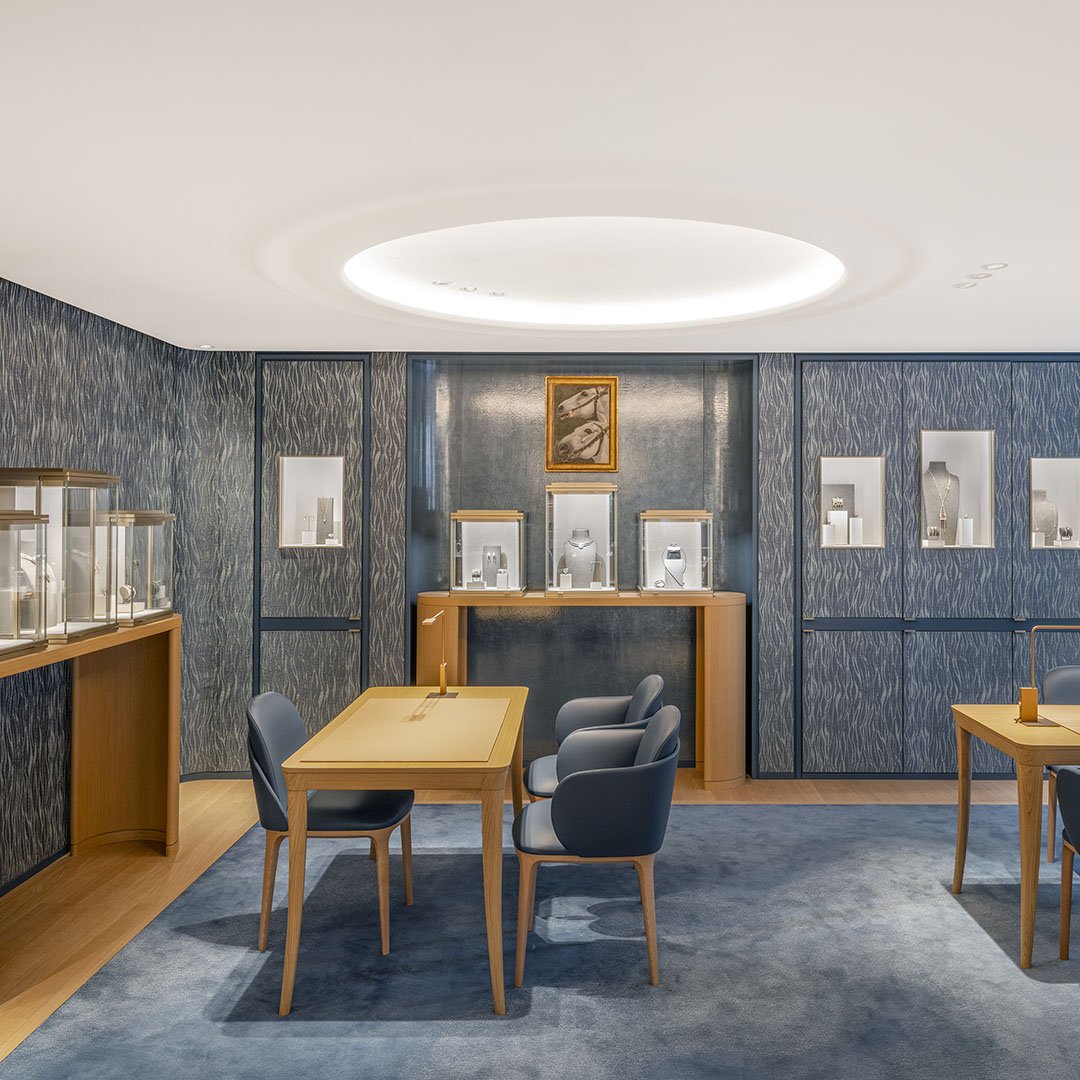
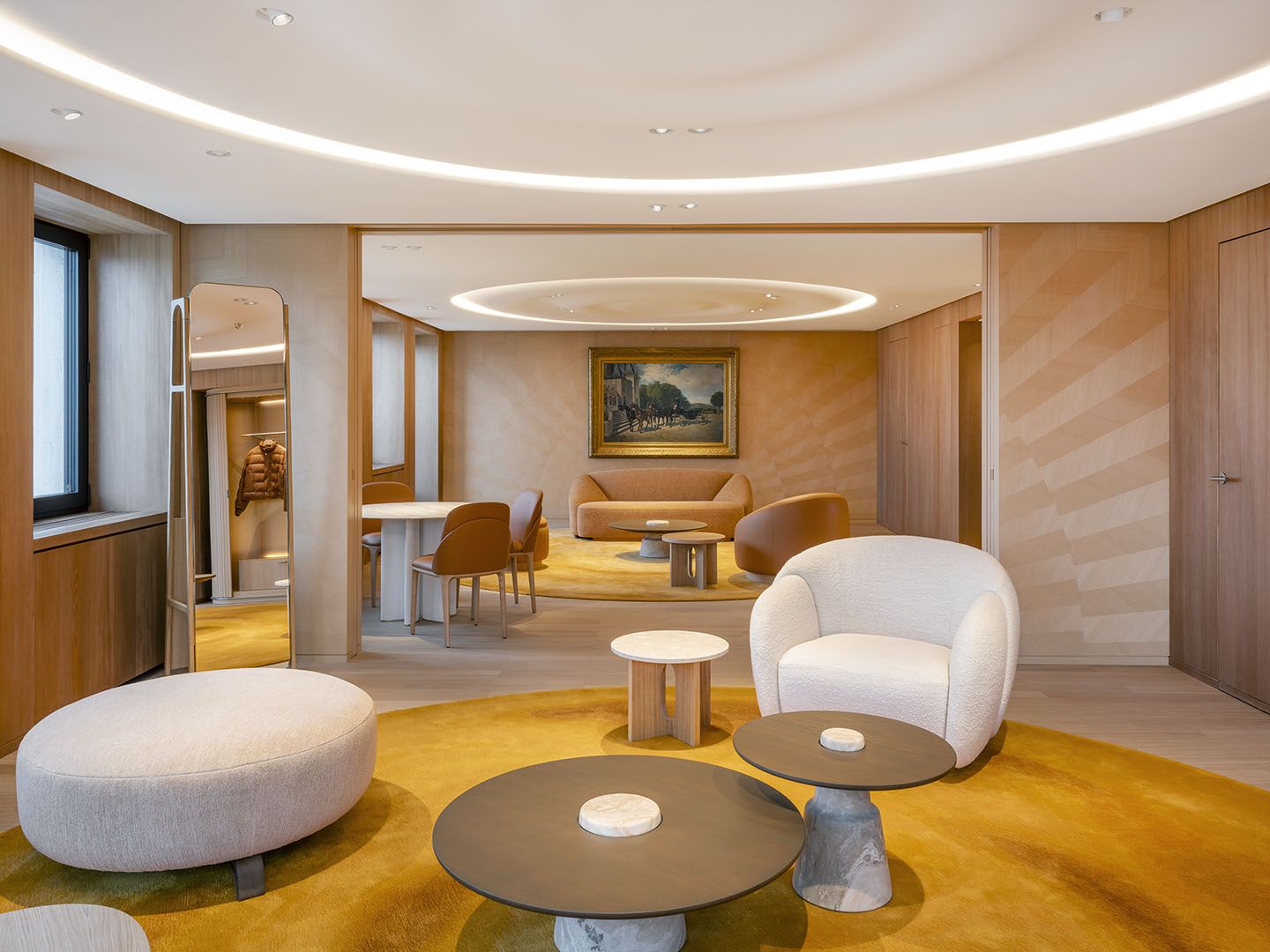
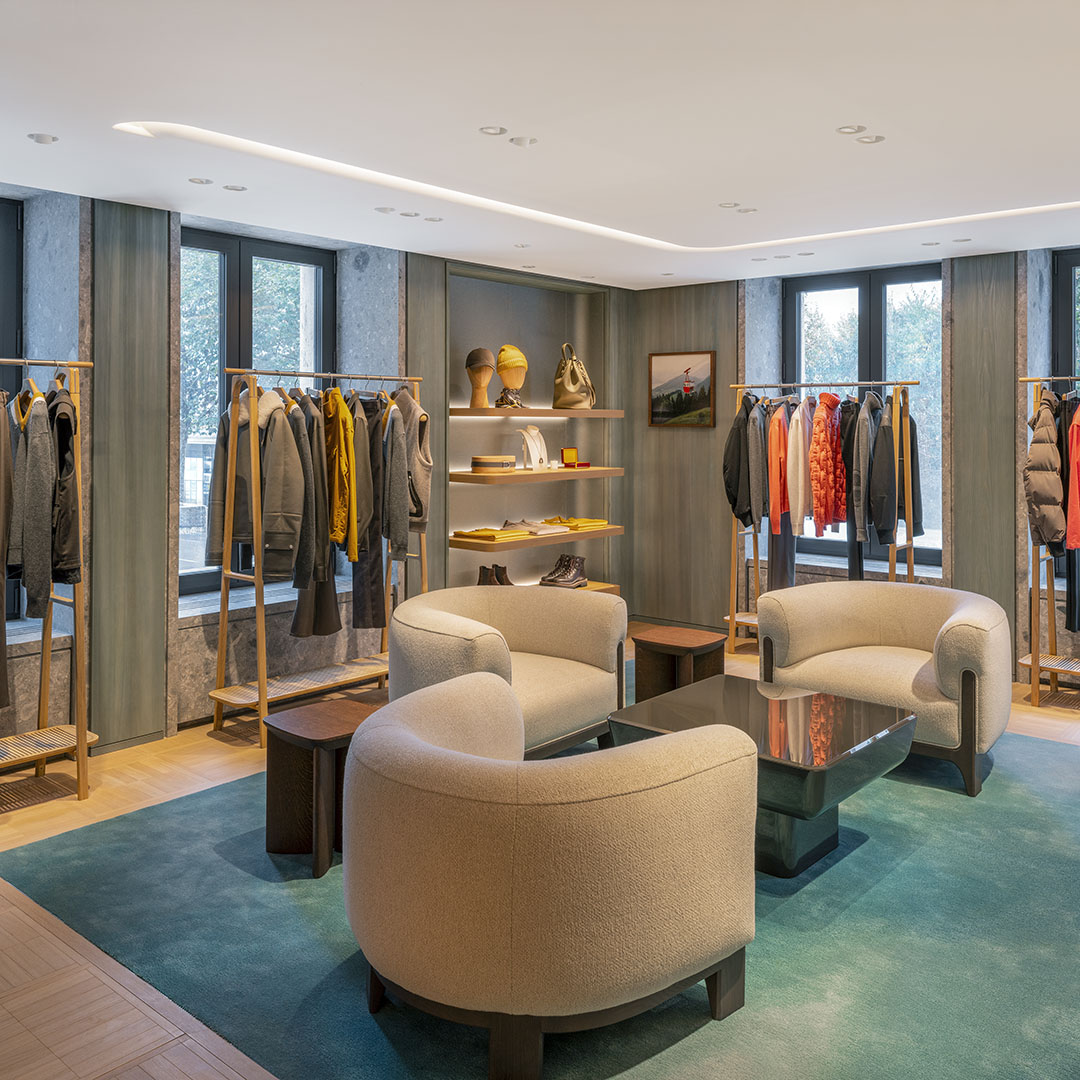
Throughout the spaces overlooking the city, materials respond to one another, the light shifts and the colours evoke the Leman lake and surrounding mountains. Ribbed concrete meets oak parquet, fabrics, wall coverings combining wood and textiles, stone surfaces, bespoke ceramics and furniture in leather and marble. Together, these elements create a different atmosphere in each space. Paintings, drawings and photographs punctuate the journey. Some have belonged to the family collection for generations, while others were acquired specifically for this location.
Leman Lake, from morning to evening
The Geneva landscape has been a major source of inspiration for the boutique’s transformation. As visitors move upwards through the building, the colours and atmosphere evolve, evoking the changing hours of a day beside Leman Lake.
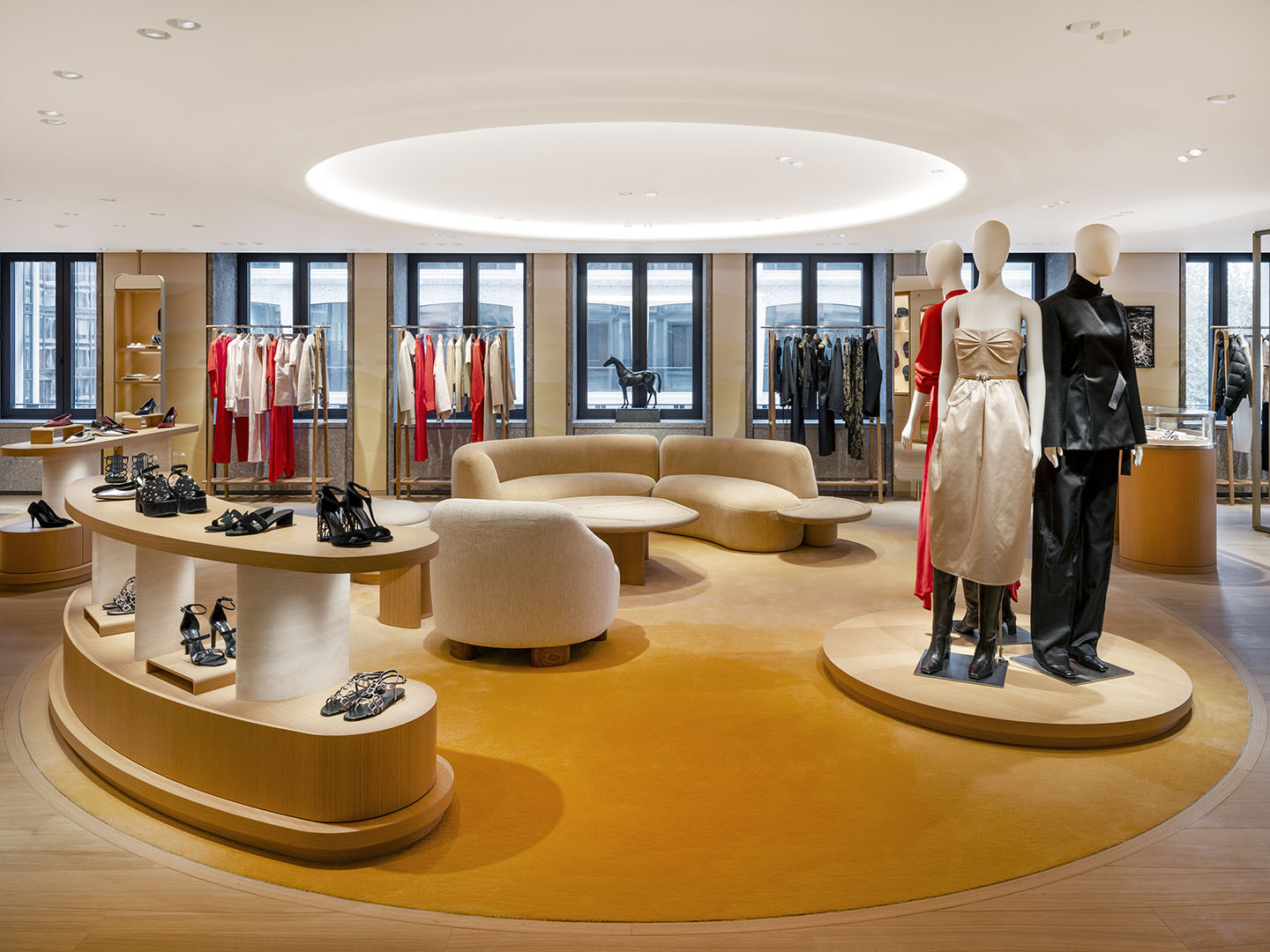
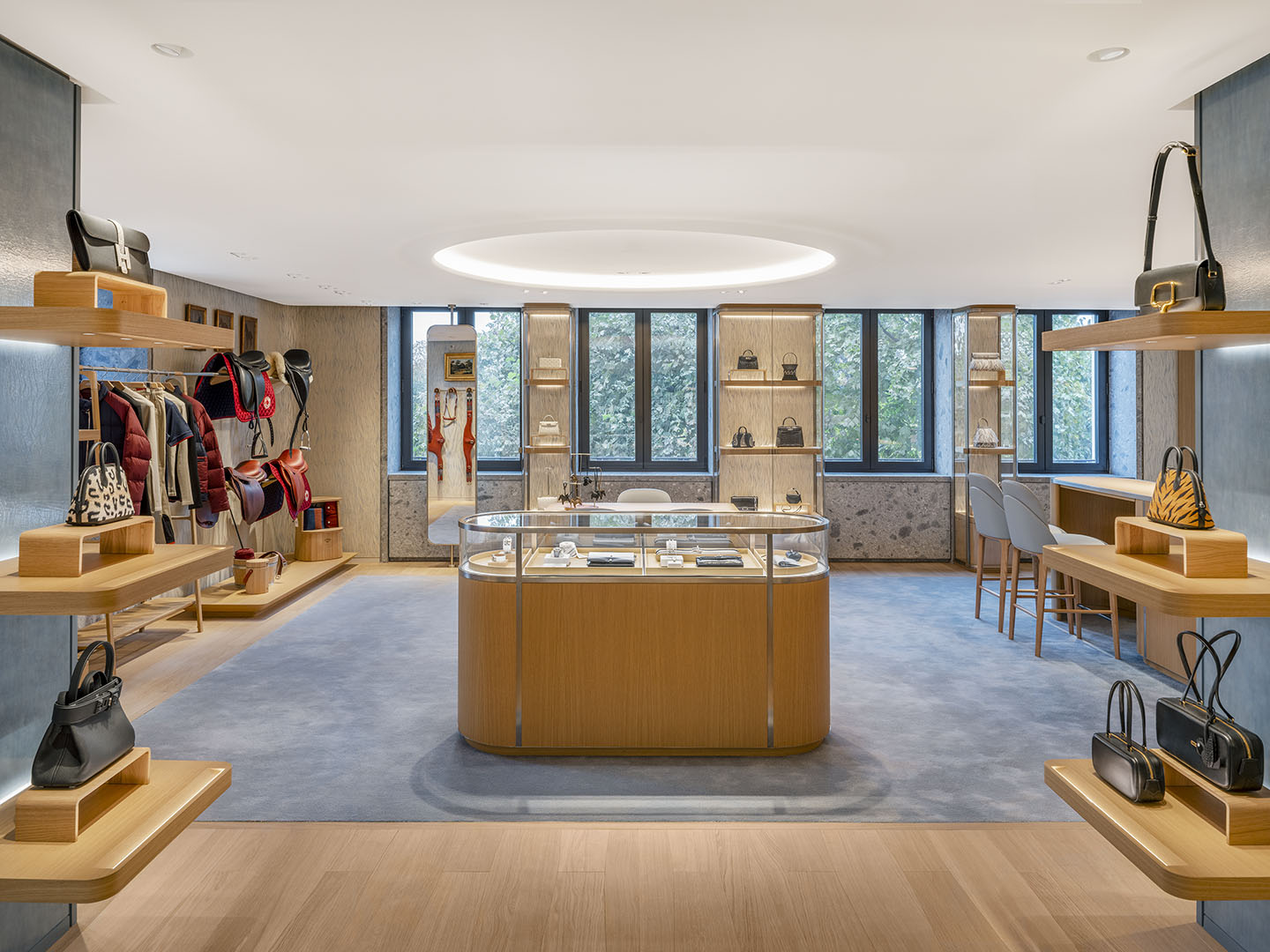
The mineral tones of the ground floor gradually give way to greens and blues, followed by warmer, sunnier shades. In the spaces devoted to watches, jewellery and leather goods, gradations of blue recall the movement of water. The higher one climbs, the warmer the palette becomes. The rooms housing the women’s ready-to-wear collections are bathed in golden hues, while the private salon on the sixth floor evokes the warmth of a sunset, with its orange reflections.
The large windows play an essential part in this composition. “I was always taught that natural light should reach as far as possible into a store, so that our products can truly benefit from it. There is nothing more soothing to the soul than natural light,” explains Pierre-Alexis Dumas.
Artworks chosen for Geneva
The artistic director did more than entrust the architecture to RDAI. As he does for every Hermès boutique, he personally selected the works of art that would inhabit its various spaces.
Hermès holds two distinct collections: the Émile Hermès collection, begun by Pierre-Alexis Dumas’ great-grandfather and enriched by subsequent generations, and a collection of contemporary photography assembled over the past twenty years or so. Émile Hermès collected objects associated with the equestrian world, as well as drawings and paintings. His descendants have continued this tradition, extending it to other forms of artistic expression.
“A store of this size required three years of work. I leave the architects to do their job, but the choice of artworks that will be displayed inside is never left to chance. The idea is to enrich the space and create a dialogue between the city and the boutique, between inside and outside,” explains Pierre-Alexis Dumas.
For Geneva, the artistic director selected works with a strong connection to the landscape, the lake, the light and the city’s history. In one of the salons, for example, hangs an old painting depicting a panoramic view of Geneva. “This extraordinary painting, showing Geneva as seen from Saconnex, in Savoy, around 1820, had been kept in storage until now. It had never been shown, and it has found exactly the right place here,” says Pierre-Alexis Dumas, with the satisfaction that comes from giving a work of art a new purpose.
Photography also occupies an important place. Among the works on display are several images by Swiss photographer Arnold Odermatt, whose photographs Pierre-Alexis Dumas specifically wanted to acquire for Geneva. Others were chosen for their ability to evoke a landscape, an atmosphere or an emotion.
In one of the salons, Pierre-Alexis Dumas stops in front of a painting by Swiss artist Thomas Huber, which he purchased in Geneva. Rendered in shades of blue, it depicts mountains mirrored in the waters of a lake. “I love this painter. There is such truth in this painting! Switzerland has so many lakes, and there is a magical moment when, all of a sudden, the light becomes extraordinary. I thought this painting would be perfect for this salon.”
These choices reveal a highly personal approach to bringing artworks and spaces together. The intention is not to create a themed exhibition in the museum sense, but to establish connections between the images, their surroundings and the people who encounter them.
“In fact, we don’t put labels beneath the artworks: this isn’t a museum. If clients want to know the name of an artist, they can ask the sales associates.” Whenever a boutique opens or undergoes renovation, Pierre-Alexis Dumas and the heritage teams look for works capable of establishing a dialogue with the local culture.
“I travel in my mind to the different places where we have a presence, and each time we try to find local artists, or artists who have spent time there.” This approach also leaves considerable room for personal taste. Pierre-Alexis Dumas readily makes light of this, recalling the family discussions that some of his choices can provoke.
Exclusive creations for Geneva
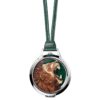
This tribute to Geneva extends beyond architecture and art. Pierre-Alexis Dumas has also conceived several exclusive creations. Among them is the Arceau Voiliers watch, a unique piece whose dial features a miniature painting inspired by a drawing by Jean-Louis Clerc, an artist who designed numerous silk scarves for Hermès over the years. The watch carries a further symbolic significance, as Clerc spent the final years of his life in Geneva.
Pierre-Alexis Dumas opens the door to a fitting room, revealing a reproduction of one of the artist’s drawings, originally used to create a silk carré. “Jean-Louis Clerc worked with my grandfather. I have reissued this scarf many times, but never in the same colours,” the artistic director points out.
A bag has also been created especially for Geneva. “It’s a Bolide Cargo, made from canvas and leather, with numerous pockets and accessories,” explains Pierre-Alexis Dumas, picking it up to show us. Produced in very limited numbers, these creations extend, in their own way, the dialogue between heritage, craftsmanship and the place in which they are presented.
Investing for the long term
The renovation comes at a time of considerable uncertainty in the global economy. Axel Dumas makes no attempt to downplay the situation. Instead, he approaches it with humour, acknowledging that Hermès sometimes seems to choose the most challenging periods in which to make its biggest investments. “This demonstrates two things: first, our confidence in Geneva’s potential and our ambitions for the city; and second, that Hermès continues to invest, even in a complex geopolitical environment.”
Meanwhile, Hermès is continuing to transform its international retail network. Pierre-Alexis Dumas mentions some 300 stores worldwide and an ongoing programme of renovations and new openings. “Each year, this concerns around 10 per cent of our network. Not all our stores are as large as this one: Geneva is a major boutique.”
Each project brings together teams from architecture, design, heritage and retail over several years.
The ambition goes well beyond presenting the collections. It is about creating distinctive places that express the identity of the house while maintaining a close relationship with their surroundings. “I like to create a sense of intimacy in our boutiques. It isn’t simply about a transaction: we want to create emotions,” explains Pierre-Alexis Dumas.
A story of generations and continuity
From floor to floor, objects collected by Émile Hermès sit alongside contemporary photographs; an old drawing inspires a unique watch; a modernist building recovers some of its original features. Here, generations and eras intertwine.
Pierre-Alexis Dumas does not see this boutique as a finished work, but rather as another chapter in a family history that began long before his time. “What reassures me is that I am continuing work that was begun before me and that will carry on long after me. And that is what makes it so beautiful.”