
The Coty Revolution: from Ambre Antique to Infiniment Coty
Re-created in a limited edition of 1,905 bottles to mark Coty’s 120th anniversary, the very first amber fragrance in the history of modern perfumery is, for a second time, revolutionising the world of perfumery. We explore this with perfumer Dominique Vernaz, who recreated Ambre Antique at Coty’s laboratories in Versoix – the brand’s centre of excellence for research and fragrance, near Geneva – and Guerric de Beauregard, Director of Prestige Communications at Coty. Valérie Donchez
A turning point has been reached. It may still be subtle to the general public, but connoisseurs know: a new chapter is beginning. Coty is forging a unique, unprecedented link between a heritage never before tapped into, modern perfumery and the perfumery of tomorrow, which is still being written. But let’s go back 122 years…
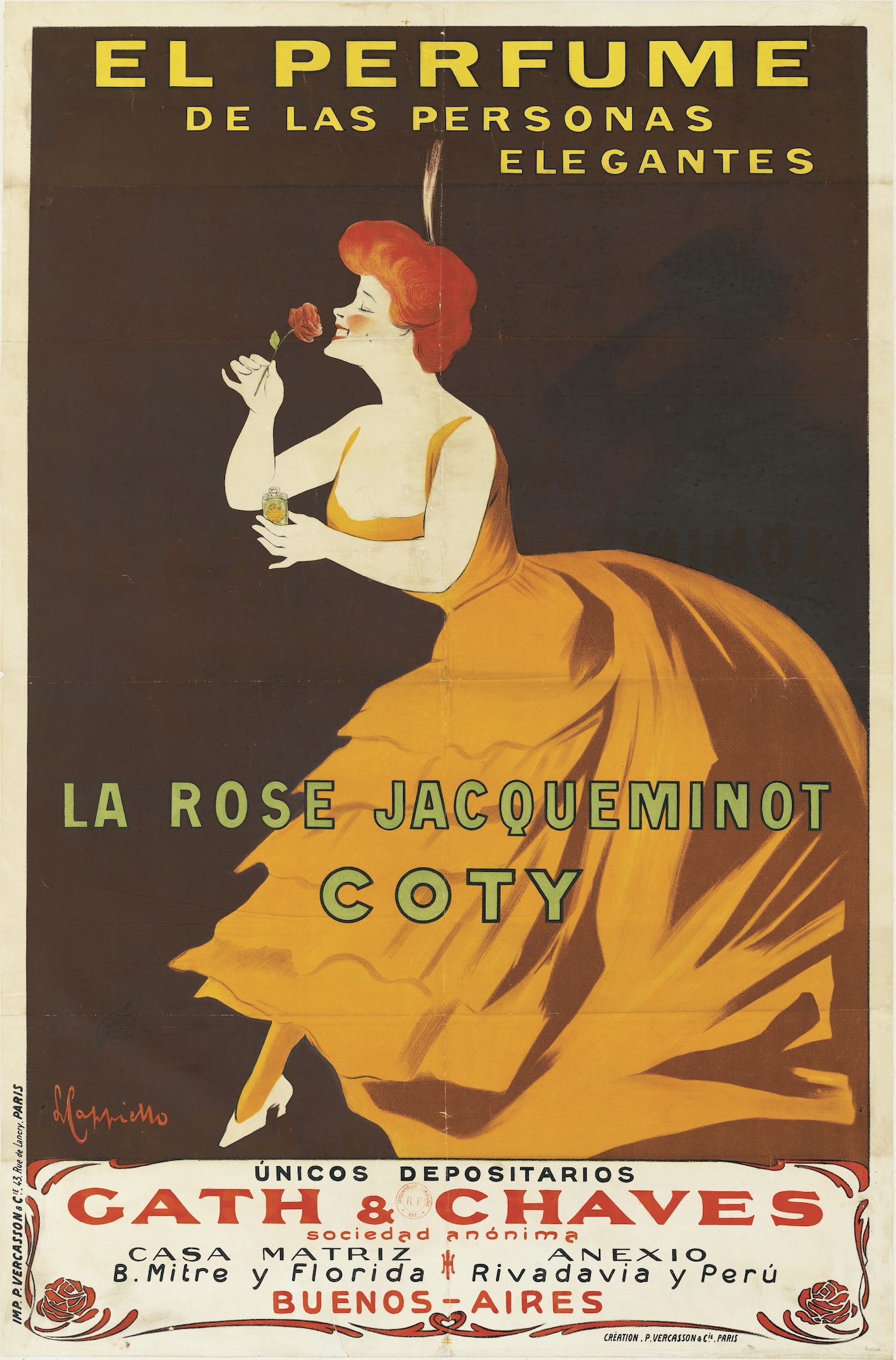
Poster by Leonetto Cappiello for Coty’s Rose Jacqueminot, 1904 ©Public Domain
From masterpiece to masterpiece
In 1904, François Coty founded his perfume house, still unaware of the upheaval he would cause by becoming one of the founding fathers of modern perfumery.
His first masterpiece, Rose Jacqueminot in 1904, was the first rose soliflore in which he not only mastered the art of using floral absolutes—a novelty at the time—but also succeeded in recreating the scent of a garden rose with an overdose of centifolia rose absolute blended with alpha-ionone. The tone was set.
As Dominique Vernaz explains, “he succeeded in creating a rose that never fades, using a rose absolute that actually smells far more of artichoke than of the flower with its petals, and added a molecule—alpha-ionone—to bring out the natural quality of the flower as one might smell it in the garden.” It was a world first to think of using chemistry to create a soliflore with such strikingly natural results at a time when perfumers were only making floral bouquets.
“It was a breakthrough, using alpha-ionone in quantities never seen before at the time,” adds Guerric de Beauregard. He did the same with Chypre in 1917, which launched the chypre family. He didn’t invent the chypre accord—it already existed—but he gave it such depth by enriching it with a floral heart that he made it universal, paving the way for all the chypres on the market. “
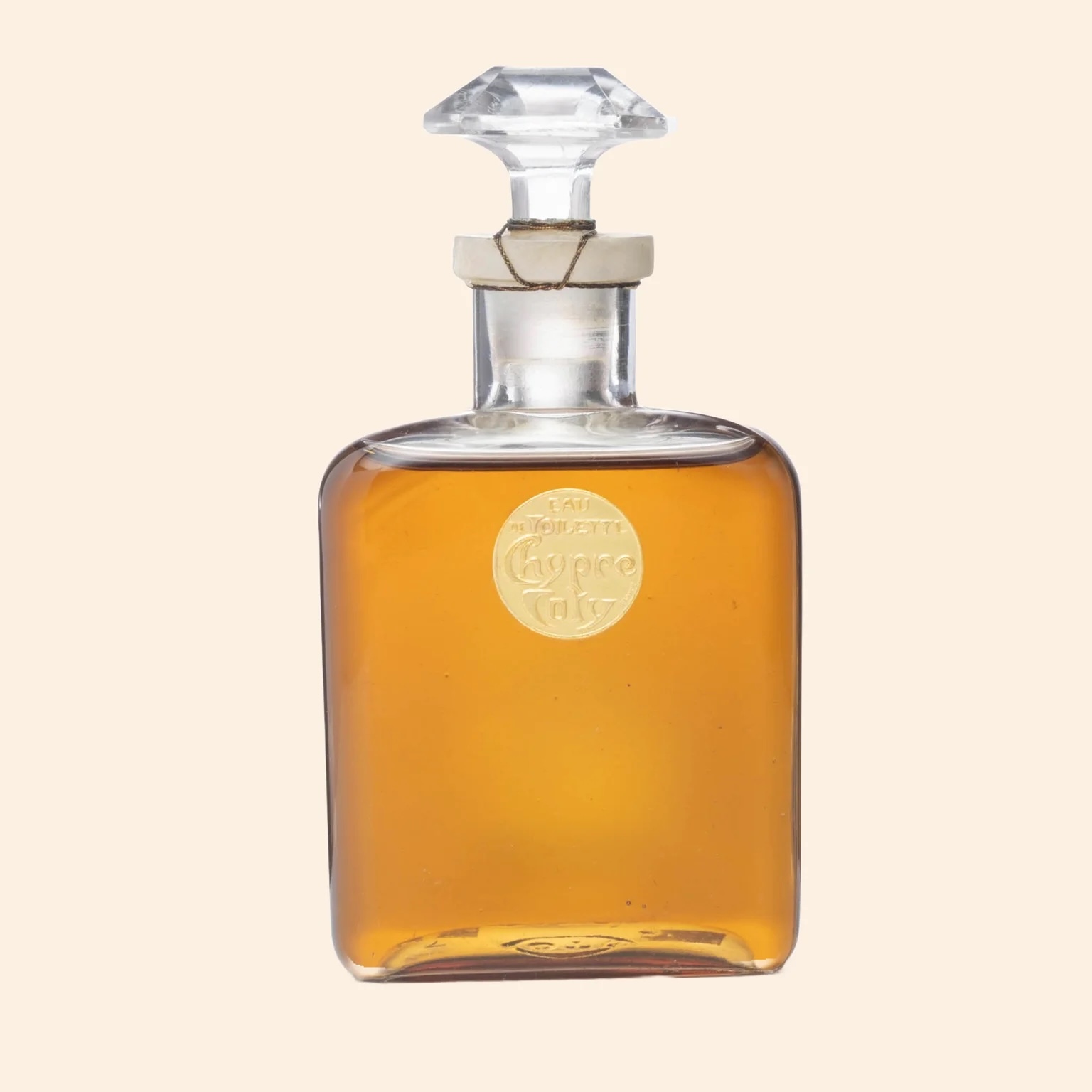
Chypre, 1917 ©Coty
Ambre Antique
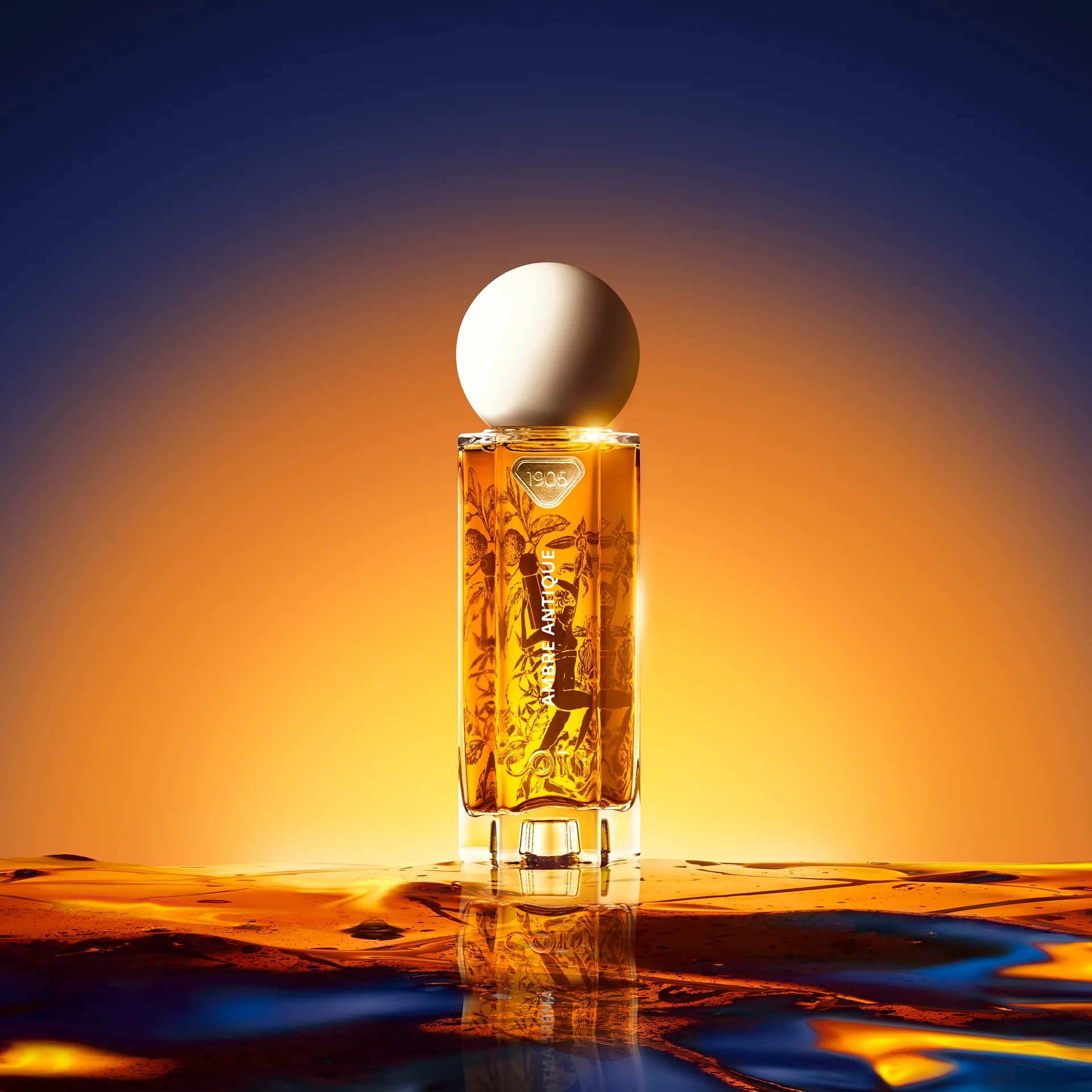
Amidst these successes, Ambre Antique was born. It is the first amber fragrance of modern perfumery, created by François Coty in 1905. Its formula is one of the most closely guarded secrets in the history of modern perfumery, archived in the Coty offices in New York. It is composed of Ambreine S (a super-concentrated dose of vanillin combined with bergamot), vanilla, bergamot, and absolutes of rose, jasmine, iris and orange blossom.
To mark the 120th anniversary of the House of Coty, Dominique Vernaz and his team took on the daring challenge of recreating Ambre Antique exactly as it was (with the exception of two ingredients now banned, which have been replaced by substitutes carefully selected to replicate their olfactory signatures as closely as possible). It was produced in a limited edition of 1,905 bottles.
A few words from Ambre Antique
If she could speak in any language other than that of scent, she would tell you: “I am the genesis, the one who revealed Ambreine S, which is said to have given the perfumer who has been working to recreate me over the last few years plenty of grey hairs. Like many icons, I was born of an accident 120 years ago. In the offices at Coty, I sometimes hear whispers that I am a source of wonder and only the beginning… of what? That’s for you to guess.”
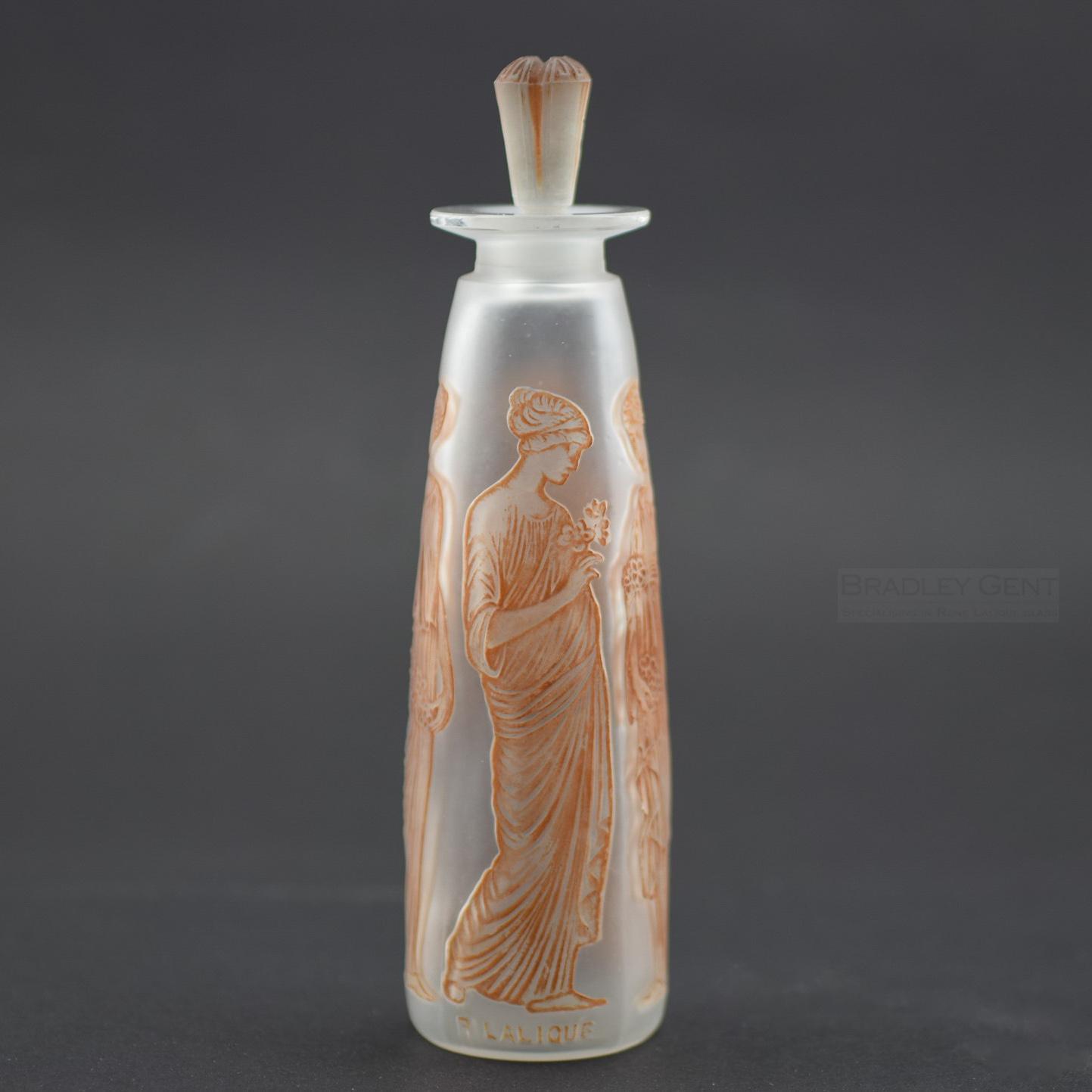
Ambre Antique bottle by René Lalique, 1910 ©DR
The perfumer with slightly more grey hair
Having become an archaeologist for this incredible mission, Dominique Vernaz threw himself into it with gusto, as enthusiastic as he was clear-sighted. He worked on a unique project that no perfumer before him had had the chance to realise in a single career. “I really put my heart and soul into understanding these formulas, reworking them, tracking down the ingredients and sourcing them,” he explains. “What followed was the result of incredible teamwork. I didn’t think we’d go that far.”
As he delved into the archives in search of the original formulas, Dominique Vernaz immediately realised that François Coty had shown genius right from the start of his career. “François Coty started from scratch in perfumery,” he explains, “entering the field somewhat by chance. Very quickly, he proved to be a highly talented individual. From the very start, he was interested in ‘re-formulating’. He found it easy to blend, create accords and master the raw materials. When floral absolutes arrived on the market in Grasse, he knew how to use them better than seasoned perfumers. He wasn’t constrained by the more traditional training of his predecessors.”
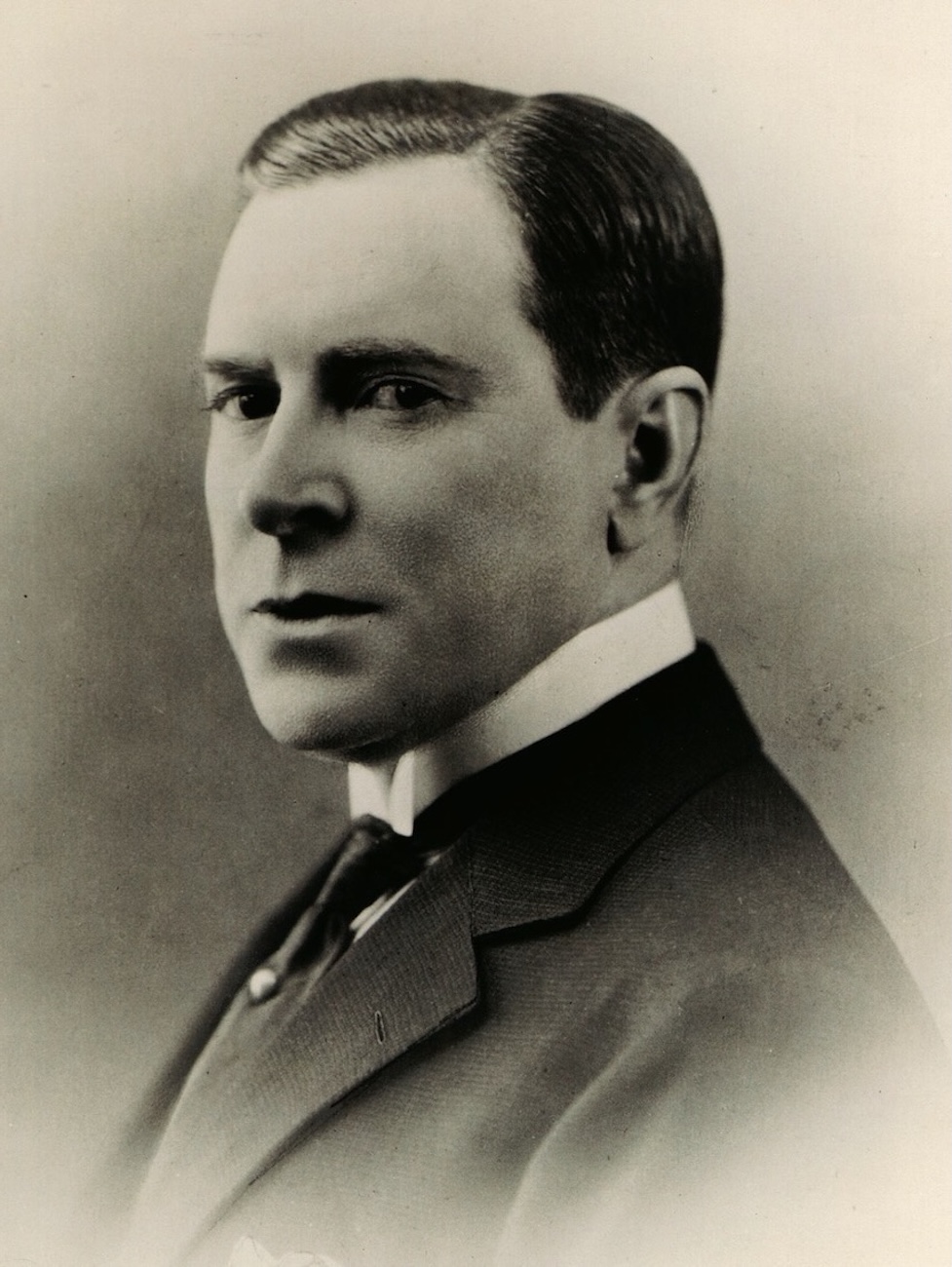
François Coty photographed by André Taponier (1910) ©Domaine Public
A time capsule
When we ask Guerric de Beauregard whether Coty has plans for larger-scale production of Ambre Antique to allow new generations to discover this marvel and experience it in their daily lives, his answer brings us back to reality. “This re-creation of Ambre Antique was really intended for small quantities,” he explains. “Everything is made in our own laboratories, not in a factory. Dominique did it all, from sourcing the ingredients to maceration, maturation and filtration. Rather than thinking about scaling up production to sell it on a larger scale, we saw it more as a time capsule. It was our way of bringing this great fragrance back to life.”
“We’ve actually managed to bring a legendary fragrance back to life,” continues Dominique Vernaz, “and we very quickly asked ourselves, ‘Why not give it a new lease of life, rather than simply reviving it?’ It’s a wonderful product”.
“When I smell it, it transports me. What’s all the more surprising is that this formula dates back to 1905 yet feels very contemporary, incredibly rich, and highly addictive. We use it today in the amber notes we’re developing. We need to bring it to life, allowing people to discover something so historic that offers real added value today.”
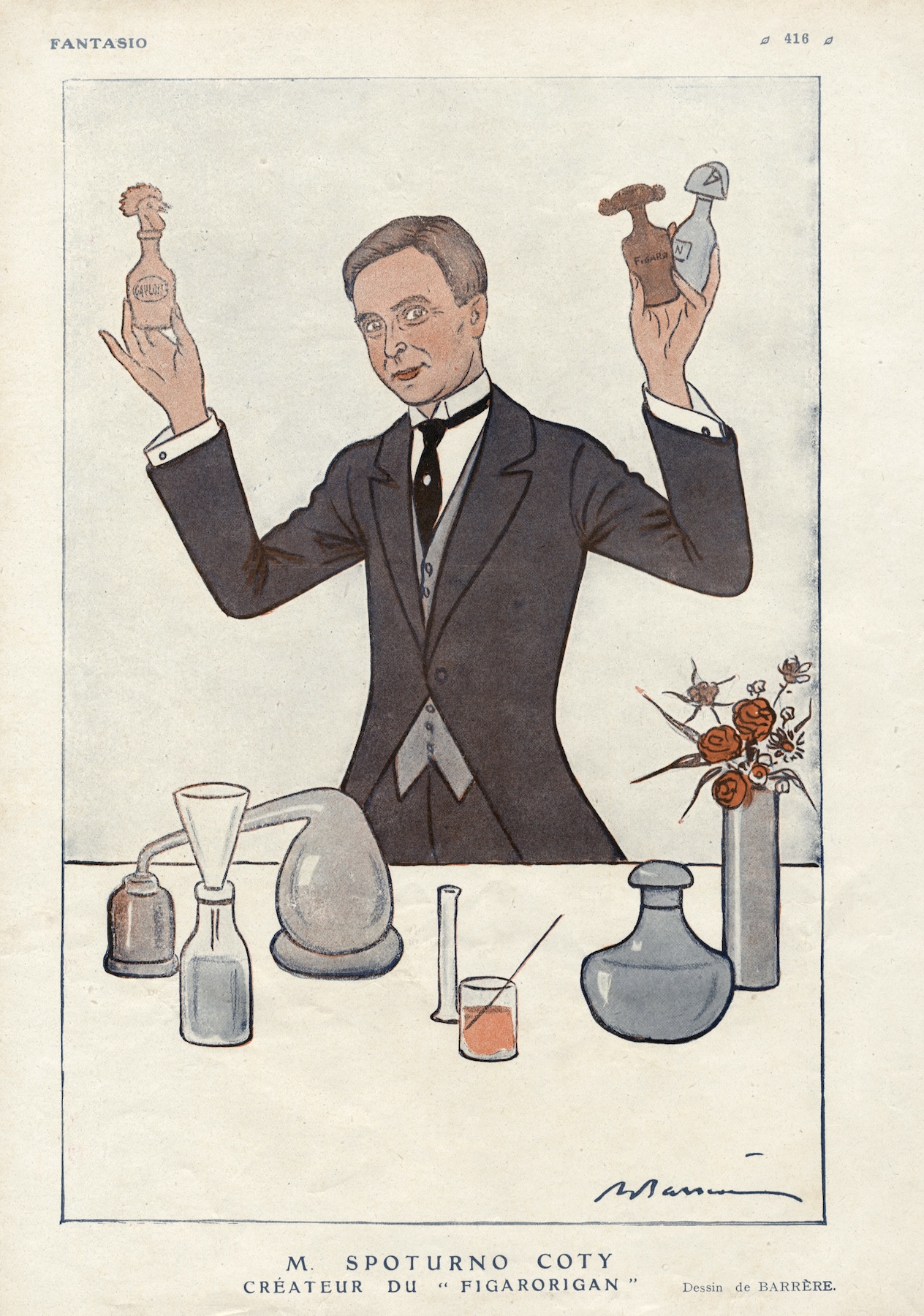
François Coty by Adrien Barrère,1922 © Domaine Public
Uncovering the secrets of the formula
To achieve this feat, Dominique Vernaz delved deep into the archives, a veritable treasure trove of the house, and had to grapple with the practices of the perfume industry of the time, which was itself undergoing change. “I began to wonder how François Coty had obtained vanillin. Looking at natural products, I researched the qualities of ingredients from the past. When examining the formulas, I had to decipher the annotations of the time, such as one that appeared regularly in the notes: ‘PNSC’. I searched through numerous books and finally discovered that PNSC stands for ‘natural product without wax’, the original term for absolutes—rose and jasmine absolutes created around 1895, which we refer to quite differently today. »
And like a treasure hunter, he set off in search of rare raw materials. “I went in search of the bergamot essence found in Ambre Antique,” he says. “It was impossible for me to take a shortcut by using a more contemporary bergamot, which would have risked affecting the fragrance’s olfactory profile. So I looked for producers of this variety in Italy and found one. One thing led to another, and throughout this incredible adventure, I learnt a great deal about the raw materials used in the early 20th century, as well as the solvents used at the time to create the absolutes.”
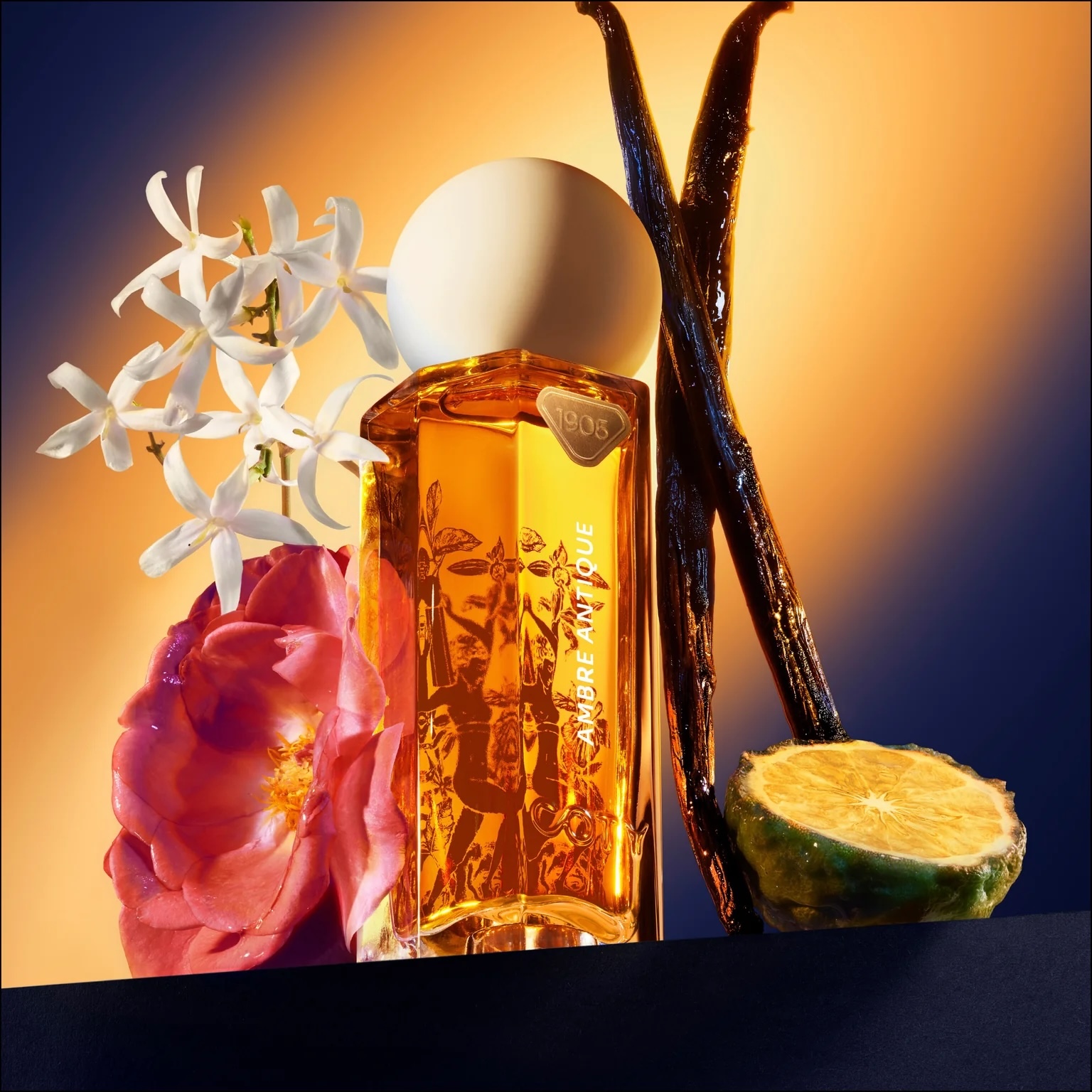
Ambre Antique, Coty 2025, ©Coty
Les gaines intérieures rigides des robes de Christian Dior ont donné naissance à la taille appuyée des robes d’Azzedine Alaïa, qu’il resserrait encore grâce à des ceintures larges comme des corsets, © Stéphane Aït Ouarab & © Laziz Hamani
Conventional wisdom turned on its head
Ambreine S is now a legacy driving a revolution. “This base note is a fragrance in its own right with an incredible personality,” enthuses Dominique. “It now forms the foundation of all the group’s new amber creations. Recreating it brought us such pride that we decided to use it in contemporary formulations. “You can now find it in three new creations from the Infiniment Coty Paris brand, the Osmiums,” continues Dominique.
“We’re returning to raw materials that bring more facets,” adds Guerric de Beauregard. “Dominique’s work puts our fundamentals and our roots into perspective, within this unique history. Coty possesses a level of expertise and a history that no one else on the market can claim. No other player in the perfume industry today can claim to have a heritage as rich as Coty’s. We can’t wait to begin telling its story through the Osmiums.”
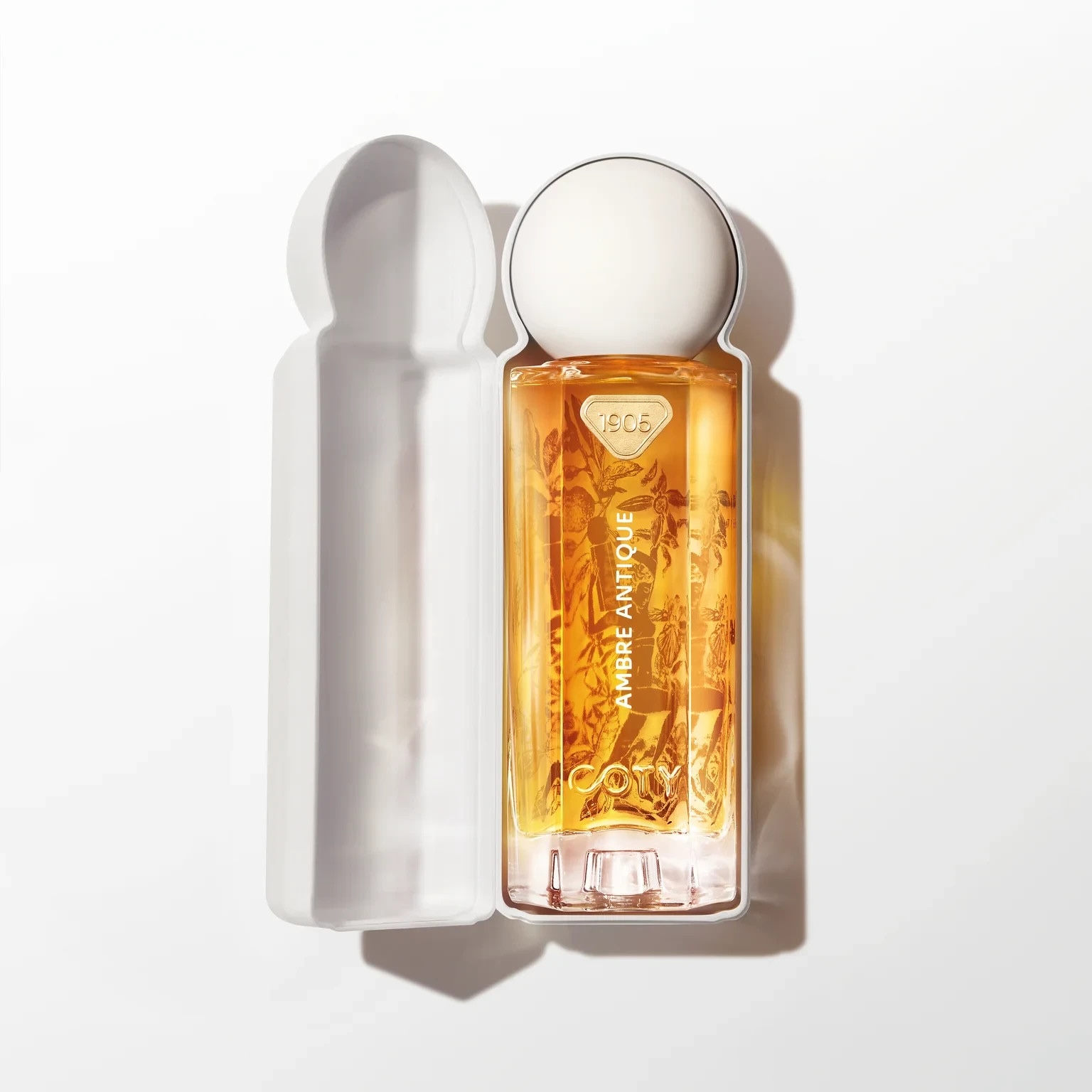
Ambre Antique, Coty 2025, ©Coty
The Osmiums: a new chapter in an unprecedented trilogy
Infiniment Coty is spearheading a major revolution in the current history of perfumery. These Osmiums are new creations based on existing fragrances from the Infiniment Coty amber range. The perfumers took the legendary Ambre Antique as their foundation to give them olfactory depth, a density pushed to its peak.
“Osmium,” explains Guerric de Beauregard, “is the name of the densest metal on earth. We chose to give this collection its name in a rather poetic way because the fragrances that make it up have unrivalled concentration and intensity. These three fragrances are available in a small 40ml format. The bottles and the blue cap reflect the colour scheme of osmium, a blue metal.”
These three fragrances are the most concentrated of any Coty has ever produced in its history. “They contain 41% perfume oil and incorporate Molecular Aura technology, a proprietary technology of Coty, which defies the rules of the volatility of olfactory molecules by prolonging the fidelity of a fragrance’s character for up to 30 hours.”

Après l’Amour l’Osmium ©Coty
And tomorrow?
“With Infiniment Coty Paris, we are constantly caught in a tension between the past, the present and the future. We are constantly seeking to create a dialogue between the fragrances of the past and new interpretations of fragrances within the same olfactory families, but from a radically contemporary, even avant-garde, perspective,” notes Guerric de Beauregard. Infiniment Coty Paris echoes, in its own way, the group’s raison d’être since its foundation in 1904. François Coty, the father of modern perfumery, was able to harness chemistry and science to complement nature, offering multiplied possibilities for creativity through the synthetic molecules used in abundance in his perfumes at a time when no one else was doing so.”
“We want to delve into the history of perfumery to bring legendary fragrances back to the fore,” he continues. “By the end of the year, we plan to unveil a very contemporary, even avant-garde interpretation of the amber of the future through a unique creation. A neo-amber.”